Top 10 Tips for Choosing the Best Silicone Rubber Hose?
Choosing the right Silicone Rubber Hose can be challenging. Many factors influence your selection. Understanding the key attributes is crucial for making an informed decision.
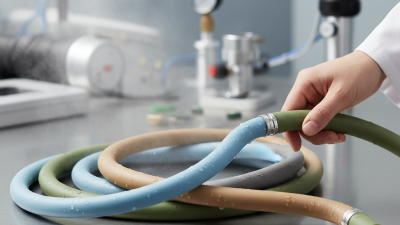
Silicone Rubber Hoses are known for their durability and flexibility. They are widely used in various industries, including automotive and food processing. A quality hose should withstand extreme temperatures and resist aging. However, not all hoses perform equally. Some may fail under pressure, while others excel.
When selecting a Silicone Rubber Hose, consider factors like size, temperature ratings, and application. Don’t rush the process. Taking the time to research will save you from future disappointments. Poor choices can lead to leaks or failures. In the end, the right Silicone Rubber Hose enhances system reliability.
Understanding the Properties of Silicone Rubber for Hose Applications
Silicone rubber is a favored material for hoses due to its remarkable properties. It excels in high-temperature environments, retaining flexibility even when subjected to extreme heat. This makes it ideal for applications in automotive and industrial settings.
Silicone rubber offers excellent weather resistance, ensuring longevity in outdoor use. It’s also non-toxic, which is critical in food and medical applications.
Another noteworthy characteristic is its ability to resist aging and degradation. Unlike other materials, silicone rubber does not easily crack or become brittle over time. However, this does come with a trade-off. While silicone hoses perform exceptionally well under certain conditions, they may not be suitable for all environments. For instance, exposure to certain chemicals can diminish their effectiveness.
When choosing a silicone rubber hose, consider your specific needs. Evaluate factors like temperature range, pressure ratings, and compatibility with fluids. Users often overlook these details. Choosing the wrong hose can lead to inefficiencies and failures.
Taking time to understand silicone rubber properties will guide you in making the right decision. This investment in knowledge pays off by enhancing performance and safety.
Key Specifications: Temperature Resistance and Pressure Ratings in Hoses
When selecting a silicone rubber hose, understanding key specifications like temperature resistance and pressure ratings is essential. Silicone rubber hoses often withstand high temperatures, sometimes reaching up to 200°C. This makes them ideal for applications where heat is a constant factor. It’s crucial to choose a hose that fits the specific temperature requirements of your application.
Pressure ratings also matter. Many silicone hoses can handle pressures exceeding 100 psi. Selecting a hose with the right pressure rating ensures safety and durability. Look for hoses that provide specific data on their operational limits. This helps in avoiding failures during high-stress situations.
Tip: Always check the manufacturer's specifications. Assess how the hose performs at extreme temperatures and pressures. For instance, a silicone hose may perform well in lab tests but could fail under real-world conditions.
Another tip: Don't just rely on one source of information. Consult multiple reports and industry standards. This gives a broader perspective. It’s also beneficial to ask experts in the field for their insights. Their experience can guide you in making an informed choice.
Top 10 Tips for Choosing the Best Silicone Rubber Hose
| Specification |
Description |
Value |
| Temperature Resistance |
Maximum operating temperature |
-60°C to +200°C |
| Pressure Rating |
Maximum pressure the hose can handle |
0.5 to 15 bar |
| Wall Thickness |
Thickness of the hose wall |
2mm to 10mm |
| Inner Diameter |
Diameter of the inside of the hose |
5mm to 100mm |
| Chemical Resistance |
Ability to withstand various chemicals |
Excellent |
| Flexibility |
Bendability of the hose |
High |
| Color Options |
Available colors for hoses |
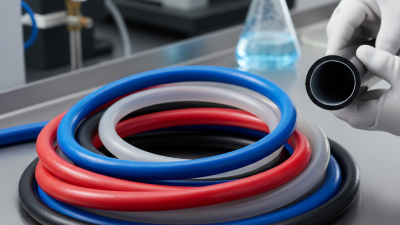
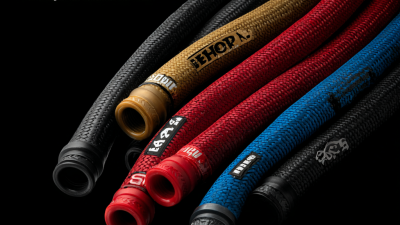
Clear, Blue, Red, Green |
| Bend Radius |
Minimum bend radius for the hose |
20mm to 200mm |
| UV Resistance |
Resistance to UV light degradation |
Yes |
| Regulatory Compliance |
Compliance with relevant standards |
FDA, RoHS compliant |
Evaluating Compatibility: Chemical Resistance of Silicone Rubber Hoses
When choosing silicone rubber hoses, compatibility is vital. Chemical resistance is a key factor to ensure the longevity and performance of the hose. Different chemicals can degrade materials in various ways. Understanding the specifics of what your hose will encounter is essential for making informed decisions.
Evaluate the environment in which your hose will be used. For instance, high temperatures may affect some silicone formulations. On the other hand, exposure to strong acids or bases could cause unexpected failures. Testing a sample of the hose in real conditions can prevent costly errors. Chemical resistance charts are helpful, but practical evaluation often reveals issues not covered in documentation.
Don’t overlook the less obvious factors, such as frequency of chemical contact. Some hoses might withstand a chemical initially but fail under prolonged exposure. Selecting a hose that suits the intended application requires both experience and expertise. This process takes time and often requires trial and error. Keep in mind the importance of sourcing quality materials; it can significantly enhance overall reliability.
Top 10 Tips for Choosing the Best Silicone Rubber Hose
Factors Influencing Durability: Reinforcement and Material Composition
When selecting silicone rubber hoses, understanding material composition and reinforcement is crucial. The durability of these hoses largely depends on their makeup. According to industry reports, high-grade silicone can withstand temperatures from -70°C to +300°C. This broad range ensures functionality across various applications.
Reinforcement is another key factor. The inclusion of fabric or wire mesh enhances the structural integrity of silicone hoses, improving their resistance to internal pressure. Products with higher reinforcement can handle pressures of up to 150 psi, significantly reducing the risk of bursting. It’s essential to consider both the type of reinforcement and the thickness of the hose. A thicker wall can improve heat resistance, but it might also add weight.
Material composition plays a vital role as well. Hoses made from pure silicone demonstrate superior flexibility and longevity compared to those mixed with other elastomers. However, the cost is typically higher. Using lower quality materials may reduce upfront costs, but can lead to failures over time. Regular assessments and testing ensure that hoses meet performance standards and safety requirements.
Cost vs. Quality: Analyzing Industry Pricing Trends for Silicone Hoses
When selecting silicone rubber hoses, understanding cost versus quality is crucial. The price of silicone hoses can vary significantly, influenced by material grade and manufacturing processes. More expensive options often promise higher durability and better performance under pressure. However, this may not always be necessary for every application. Some lower-priced hoses perform adequately while being more accessible for budget-conscious projects.
Industry pricing trends show that many manufacturers are pushing boundaries to optimize quality without inflating costs. Innovations in production techniques help maintain affordable pricing. Yet, buyers should exercise caution. Cheaper hoses may use inferior materials, resulting in reduced lifespan. It's essential to weigh the cost against the long-term benefits.
For those in niche markets, the dynamics can shift. Small-scale operations might struggle to find cost-effective solutions without sacrificing quality. This can lead to tough decisions. Investing in higher-quality hoses could ultimately save money by lowering maintenance and replacement costs. Therefore, conducting thorough research and seeking expert advice can help navigate these complex choices.