What is Flexible Silicone Hose and its Benefits for Buyers?
Flexible Silicone Hose is transforming various industries. Renowned expert Dr. Emily Carter, a leading figure in polymer technology, states, "The versatility of silicone hose is unmatched in today's market." This statement emphasizes the unique properties of Flexible Silicone Hose.
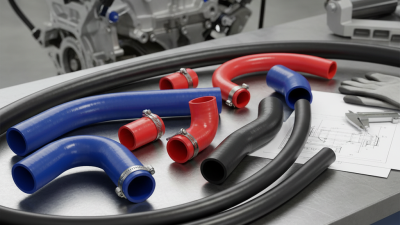
Built to withstand extreme temperatures and pressures, these hoses find applications in automotive, food processing, and medical fields. The user-friendly nature of Flexible Silicone Hose allows for easy installation and maintenance, which is crucial for efficient operations. Buyers appreciate that these hoses are non-toxic and can handle both hot and cold fluids effectively.
Despite these benefits, it's essential for buyers to assess their specific needs carefully. Not all silicone hoses are created equal. Some may not meet stringent industry standards. This reality underscores the importance of selecting high-quality products for longevity and safety. Understanding your application will guide you to the best choice in the Flexible Silicone Hose market.
What are Flexible Silicone Hoses and Their Composition?
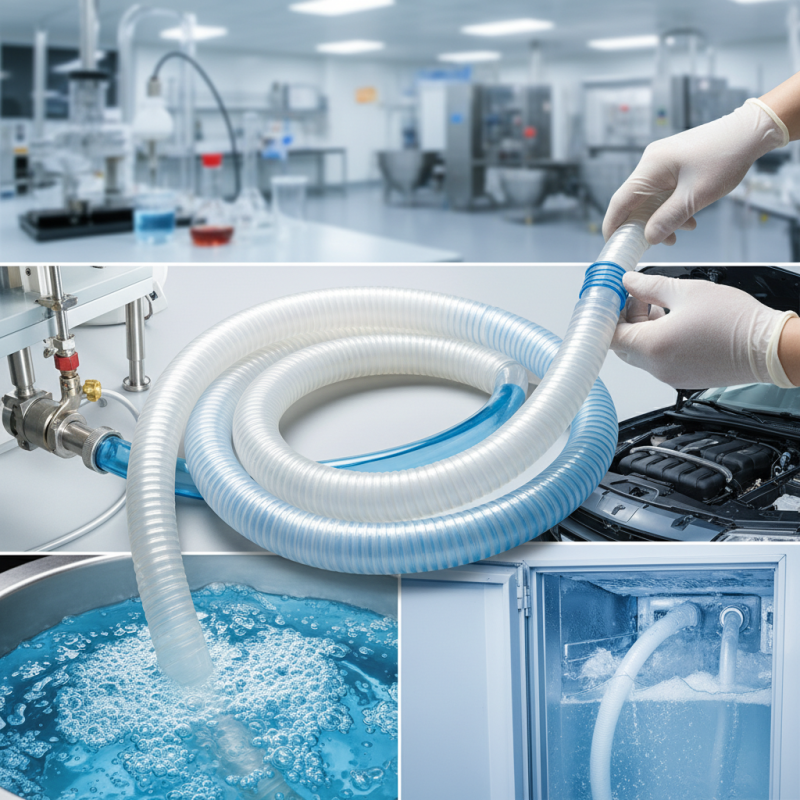
Flexible silicone hoses are gaining traction in various industries due to their unique composition. Typically made from silicone rubber, these hoses incorporate heat-resistant and durable materials. Silicone is known for its ability to withstand extreme temperatures, ranging from -50°C to 200°C. This makes it suitable for many applications in automotive, aerospace, and food processing sectors.
A report from the Silicone Rubber Market in 2021 indicated a steady growth rate of around 4.5% in demand for silicone products. The flexible silicone hose’s elasticity allows for easy bending and fitting in tight spaces. Moreover, these hoses are non-reactive and exhibit excellent resistance to UV light and ozone. Consequently, they can maintain structural integrity in harsh environmental conditions.
One drawback is the cost. Flexible silicone hoses can be pricier than their rubber counterparts. Buyers must weigh the initial investment against the long-term benefits of durability and reliability. In some cases, a cheaper hose may need to be replaced frequently, leading to higher overall costs. Being aware of both the benefits and the potential pitfalls can help consumers make informed decisions.
Benefits of Flexible Silicone Hose for Buyers
Key Characteristics that Distinguish Silicone Hoses from Other Types
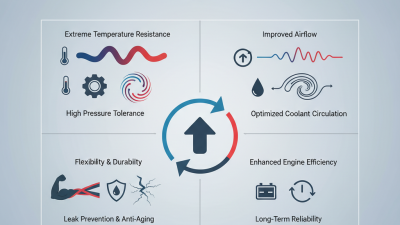
Flexible silicone hoses are becoming increasingly popular due to their unique characteristics. Unlike traditional rubber hoses, silicone hoses can withstand extreme temperatures. They remain flexible and resilient, even in harsh environments. This property makes them ideal for various applications, including automotive and industrial settings.
One key feature of silicone hoses is their resistance to aging. They do not crack or degrade over time, which means buyers can expect longevity. Additionally, silicone hoses are highly resistant to chemicals. This quality ensures that they can handle a wide range of fluids without breaking down. Flexibility is another significant advantage. Unlike rigid hoses, silicone hoses can bend and twist easily, allowing for better installation in tight spaces.
Tips: When selecting a silicone hose, consider the application environment. Check for compatibility with the fluids you plan to use. It’s important to ensure that the hose can meet the specific temperature range required. Not all silicone hoses are created equal. Some may not perform well under certain conditions.
Keep in mind the importance of quality. Cheaper hoses might save money but could lead to issues. Research materials and manufacturing processes for better durability. Remember, investing in high-quality hoses can prevent future challenges.
Applications of Flexible Silicone Hoses in Various Industries
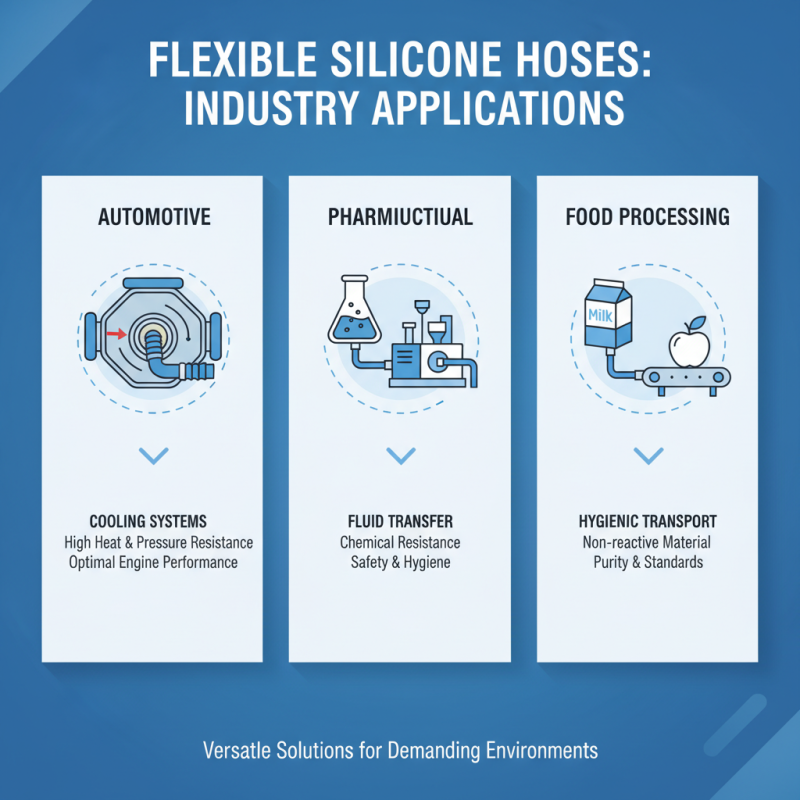
Flexible silicone hoses are increasingly used across various industries due to their excellent performance characteristics. In the automotive sector, these hoses are vital in cooling systems. They withstand high temperatures and pressures, ensuring optimal engine performance. The chemical resistance of silicone makes it suitable for use in pharmaceutical and food processing industries, helping manufacturers maintain safety and hygiene standards.
The aerospace industry also benefits from flexible silicone hoses. They are lightweight yet strong, critical for reducing overall aircraft weight. According to a report by Markets and Markets, the silicone hoses market is projected to grow significantly. This growth reflects the increasing demand for reliable and durable materials in demanding environments.
Tips: Always consider the specific requirements of your application. Evaluate temperature tolerances and chemical exposure to choose the right hose. Regularly inspect hoses for wear and tear; early detection can prevent larger issues. Investing in high-quality silicone hoses ultimately saves money and enhances operational efficiency.
Benefits of Using Flexible Silicone Hoses for Buyers and Manufacturers
Flexible silicone hoses are becoming increasingly popular in various industries. Their unique properties make them a reliable choice for different applications. These hoses are durable, heat-resistant, and can withstand extreme temperatures. This flexibility allows for easy installation and use in tight spaces. Moreover, they can be used in both high and low-pressure environments.
For buyers and manufacturers, the benefits are substantial. Silicone hoses are lightweight, reducing the overall weight of systems. They are also resistant to chemicals, making them suitable for diverse applications. The ease of cleaning is another advantage, ensuring hygiene in sensitive environments. Furthermore, these hoses do not degrade easily, providing longevity and reducing replacement costs.
However, not all silicone hoses are created equal. Some may not perform under specific conditions. Buyers must research suppliers carefully to ensure product quality. Testing hoses under expected conditions is advised. This attention to detail enhances the overall performance of systems and builds trust in supplier relationships.
Market Trends and Growth Projections for the Flexible Silicone Hose Industry
The flexible silicone hose industry is experiencing significant growth. This is largely driven by advancements in manufacturing processes and material innovations. Manufacturers are focusing on creating hoses that withstand high temperatures and pressures. As a result, flexible silicone hoses are increasingly used in automotive, medical, and food processing applications.
Market trends indicate a rising demand for these hoses. Buyers prefer lightweight, durable solutions. Flexible silicone hoses offer excellent chemical resistance, making them suitable for various industries. Moreover, their adaptability allows them to be used in tight spaces. However, not all manufacturers meet the necessary quality standards. Some hoses may not perform as expected over time.
Investing in flexible silicone hoses means considering long-term reliability. Proper research is essential. Evaluating suppliers can reveal inconsistencies in product performance. Buyers should look for manufacturers with a strong reputation for quality. Attention to detail in specifications can avoid unnecessary complications.