What is Truck Silicone Hose and Why Is It Essential?
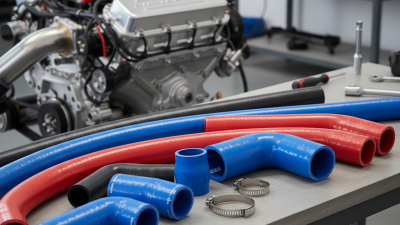
Truck Silicone Hose is a crucial component in the automotive industry. These hoses play a vital role in ensuring the efficiency and longevity of truck engines. Made from high-quality silicone, they are designed to withstand extreme temperatures and pressures. This durability makes them ideal for demanding environments.
Many truck operators overlook the importance of Truck Silicone Hose. They might opt for cheaper alternatives, not realizing the potential long-term costs. A faulty hose can lead to engine failure, downtime, and expensive repairs. Choosing silicone hoses reflects a commitment to quality and reliability.
Understanding the specifications of Truck Silicone Hose is key. It can improve fuel efficiency and enhance engine performance. Investing in high-grade hoses ensures better safety and reduces the risk of leaks. Neglecting this small component can result in significant issues down the road. Thoughtful consideration of your choices can pay off immensely.
What is Truck Silicone Hose?
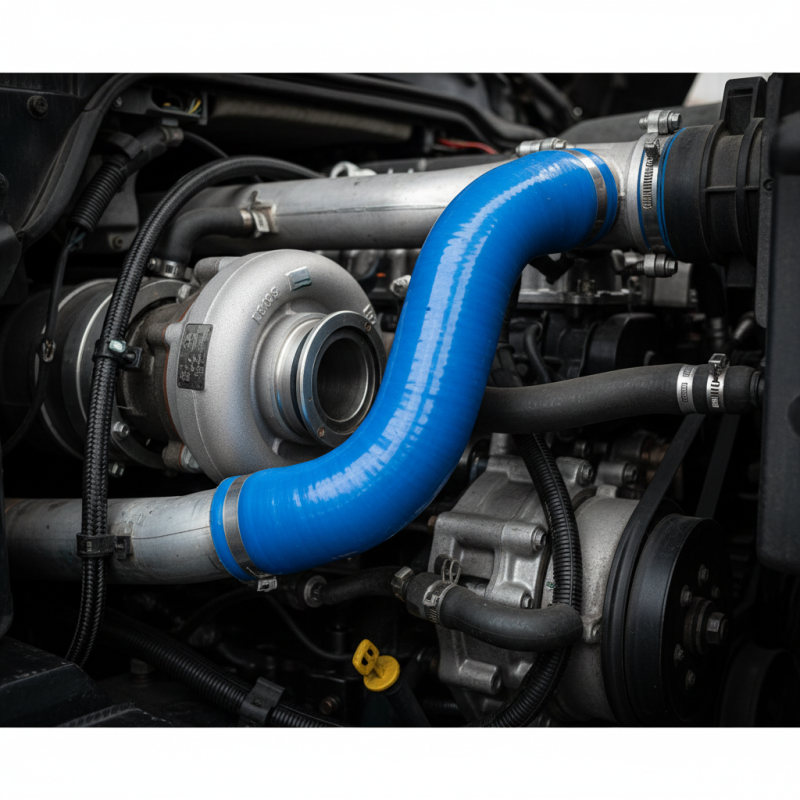
Truck silicone hose is an important component in the diverse systems of commercial vehicles. Designed from high-quality silicone, these hoses can withstand extreme temperatures and pressures. They are often used in critical areas such as coolant, intake, and turbocharger systems. The flexibility and resilience of silicone make it ideal for demanding environments.
Many truck owners and operators may not fully understand the value of silicone hoses. Unlike rubber hoses, silicone resists heat and degradation. This durability leads to fewer replacements over time. However, improper installation can lead to leaks and system failures. Regular inspection and maintenance of these hoses are essential to ensure optimal performance.
Additionally, silicone hoses come in various shapes and sizes. Customization options are available to meet specific engine requirements. This versatility is usually overlooked during maintenance checks. As trucks evolve, understanding the components, like silicone hoses, empowers better decision-making. This awareness can prevent costly breakdowns and improve vehicle longevity.
Truck Silicone Hose Usage by Category
The Composition and Manufacturing Process of Silicone Hoses
Silicone hoses are crucial in truck applications due to their durability and flexibility. These hoses are made from silicone rubber, a material known for its excellent temperature resistance. The manufacturing process involves carefully mixing silicone compounds with reinforcements like fibreglass. This combination creates a strong yet lightweight product suitable for various environments.
During production, the silicone mixture is shaped into hoses using molds. After shaping, the hoses undergo a curing process. This step ensures they can withstand high pressures and extreme temperatures. Moreover, the surface of these hoses can be treated for improved resistance to abrasion and environmental factors. It’s fascinating yet complex, showcasing the balance between strength and flexibility. However, the manufacturing process is not without challenges. Proper curing times are critical, and deviations can lead to weak spots, compromising hose integrity.
Attention to detail in each step is essential. Companies must maintain strict quality control to prevent defects. Even minor mistakes can lead to significant issues later, affecting performance. Ensuring the correct thickness and diameter during production is vital. Slight variations can impact the hose's efficiency. Though silicone hoses are reliable, ongoing assessment of manufacturing practices is necessary for optimal results.
Types of Truck Silicone Hoses and Their Applications
Truck silicone hoses play a crucial role in the functionality of various truck systems. They are designed to handle extreme temperatures and pressures, making them vital for ensuring safe operations. These hoses are available in multiple types, each tailored to specific applications. For instance, there are radiator hoses that help in cooling systems, and turbo hoses designed for engine performance.
Silicone hoses come in various shapes and sizes. Some are straight, while others are curved or have molded shapes to fit snugly into tight spaces. This flexibility allows for a better fit in various truck models. Additionally, many silicone hoses are reinforced, which provides extra durability under harsh conditions. This is particularly important in heavy-duty applications, where wear and tear is common.
While silicone hoses are often praised for their durability, they are not without their flaws. Installation can be tricky, especially in older truck models. Mechanics may need to make adjustments to ensure a proper fit. This demand for precision means that even experienced technicians must be cautious. Disregarding proper installation techniques can lead to leaks and performance issues. Users should be aware of these potential pitfalls when considering truck silicone hoses.
What is Truck Silicone Hose and Why Is It Essential?
| Type of Silicone Hose |
Application |
Temperature Range (°C) |
Pressure Rating (PSI) |
Key Features |
| Silicone Radiator Hose |
Cooling Systems |
-60 to 180 |
50 |
High flexibility, high-temperature resistance |
| Silicone Turbo Hose |
Turbocharging Systems |
-50 to 200 |
100 |
Excellent pressure resistance, enhanced performance |
| Silicone Heater Hose |
Heating Systems |
-40 to 150 |
40 |
Durable, good insulation properties |
| Silicone Fuel Hose |
Fuel Systems |
-30 to 120 |
60 |
Resistant to various fuels, chemical resistance |
| Silicone Vacuum Hose |
Vacuum Systems |
-50 to 150 |
30 |
Lightweight, high elasticity, designed for vacuum |
Benefits of Using Silicone Hoses in Trucks
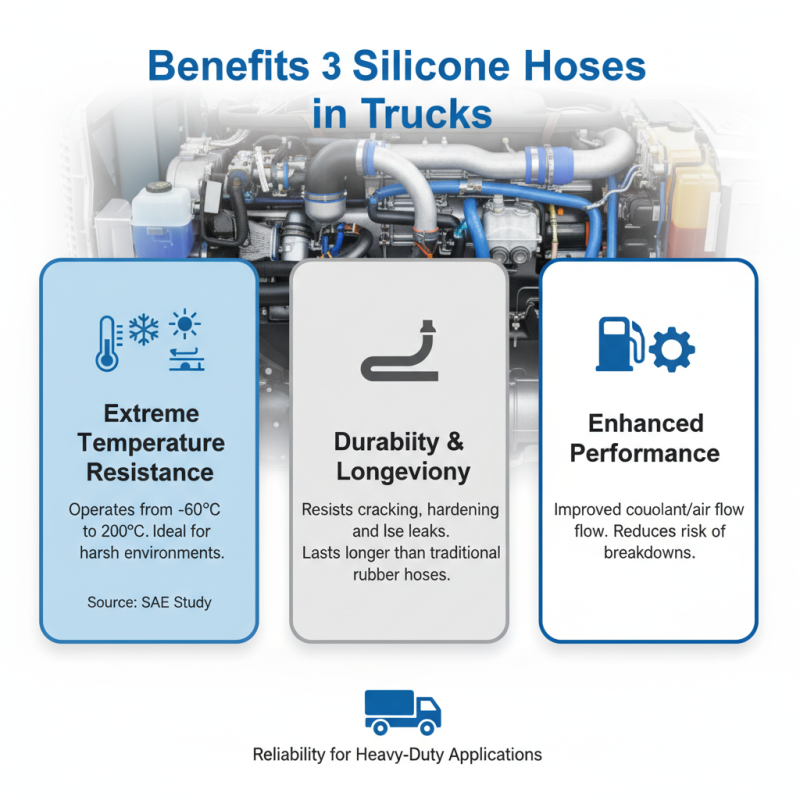
Silicone hoses are increasingly vital in truck applications. Their ability to withstand extreme temperatures is a significant benefit. According to a study by the Society of Automotive Engineers, silicone hoses can operate effectively in temperature ranges from -60°C to 200°C. This versatility makes them ideal for heavy-duty environments where traditional rubber hoses might fail.
Furthermore, silicone hoses are known for their durability and flexibility. They resist abrasions, UV rays, and ozone exposure. This characteristic not only extends the lifespan of the hoses but also reduces the risk of breakdowns. A report by the Automotive Research Association notes that trucks outfitted with silicone hoses experience 20% fewer maintenance issues. This could lead to substantial cost savings for fleet operators.
However, it’s important to reflect on installation challenges. While silicone hoses provide numerous advantages, improper fitting can lead to leaks or system failures. Technicians must ensure secure connections and may require additional clamps. Moreover, silicone hoses can be more expensive upfront than rubber alternatives. Trucking companies need to weigh these considerations before making the switch.