Top 10 Silicone Intake Hose Benefits for Your Vehicle?
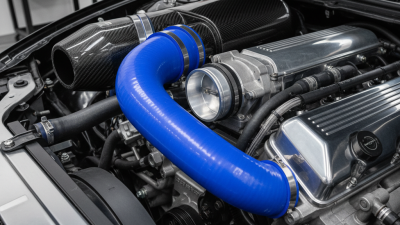
Silicone intake hoses are becoming increasingly popular among car enthusiasts and professionals alike. “Using a Silicone Intake Hose can improve both performance and durability,” says automotive expert Jake Thompson. His advocacy for performance enhancement aligns with the growing trend towards advanced automotive parts.
These hoses offer numerous benefits that can elevate a vehicle's performance. First, they resist heat better than traditional materials. This leads to better airflow and, subsequently, more power. Furthermore, silicone hoses are flexible and can withstand extreme conditions. This durability ensures longevity and reliability, traits that any car owner values highly.
However, it's essential to consider they can be more expensive initially. Still, their benefits often outweigh the costs associated with traditional intake hoses. As with any automotive upgrade, users should reflect on their specific needs before making a decision. Choosing the right components is critical in the journey toward optimal vehicle performance.
Top 10 Advantages of Using Silicone Intake Hoses in Vehicles
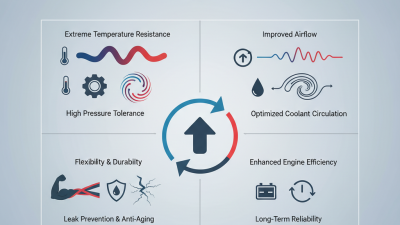
Silicone intake hoses are becoming popular in vehicle performance upgrades. They offer several advantages that can enhance the overall driving experience. One major benefit is durability. Silicone can withstand extreme temperatures and pressure, far exceeding what standard hoses can handle. This ensures a longer lifespan and consistent performance under various driving conditions.
Another significant advantage is flexibility. Silicone hoses can be molded into complex shapes, allowing for customized designs that fit specific engine layouts. This flexibility helps to minimize restrictions, improving airflow. Additionally, silicone is lightweight. A lighter hose can contribute to better performance and fuel efficiency.
However, there are downsides to consider. Installation may require more effort, especially for custom applications. Also, while silicone is quite resilient, it can be costly compared to rubber hoses. Some might overlook these factors in their upgrades. Proper research is essential to determine if silicone intake hoses align with specific needs and goals.
Enhanced Durability Compared to Traditional Rubber Hose Materials
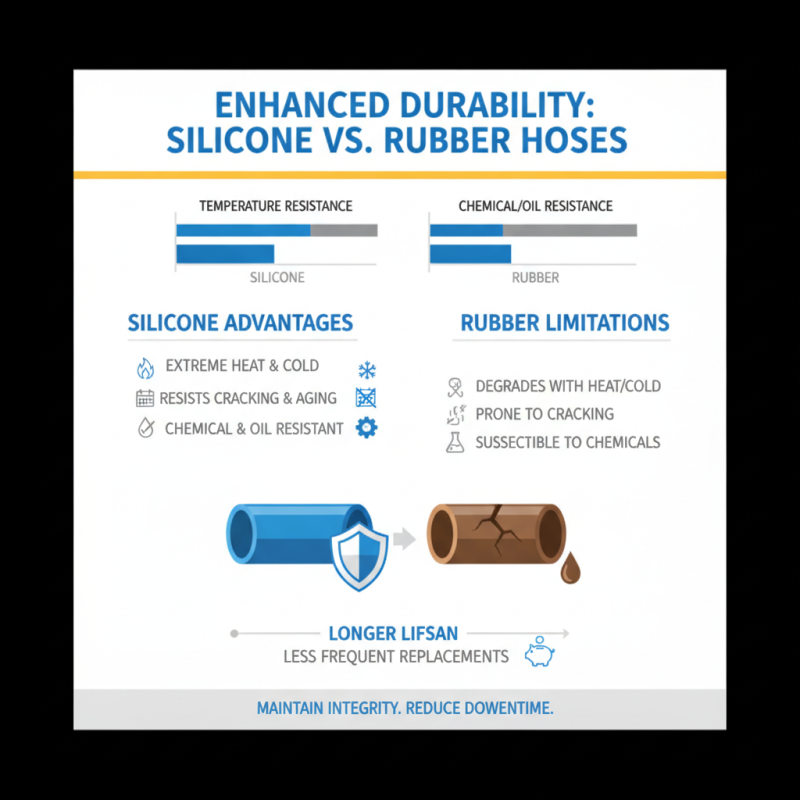
Silicone intake hoses outshine traditional rubber hoses in several ways. Their durability is remarkable. Unlike rubber, silicone can withstand extreme temperatures and weather conditions. This means there's less chance of cracking or deterioration over time. Silicone hoses maintain their integrity longer, reducing the need for frequent replacements. They also resist harmful chemicals, oil, and other substances that may degrade rubber.
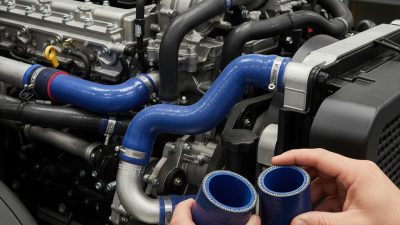
The flexibility of silicone helps in installation. It bends easily without kinking, ensuring smooth airflow. This enhances vehicle performance by improving air intake efficiency. A silicone hose may seem like an investment, but it pays off. The long-term savings from avoiding replacements are significant.
However, it's vital to be aware of certain limitations. Not every silicone hose is the same. Some may lack the resilience needed for high-performance applications. Always choose a hose designed for your specific vehicle needs. Regular inspections are essential to ensure peak performance.
Improved Temperature Resistance for Optimal Engine Performance
Silicone intake hoses offer significant benefits, particularly in temperature resistance. High-performance vehicles benefit greatly from these hoses, which can withstand extreme heat. Unlike traditional rubber hoses, silicone has a higher resistance to heat, often rated up to 250 degrees Celsius. This stability can improve overall engine performance.
A recent report from the Automotive Engineering Association indicated that silicone hoses can enhance airflow efficiency by 11%. Enhanced airflow means better combustion and, ultimately, a boost in horsepower. In practical terms, drivers may experience quicker throttle response and improved fuel efficiency. However, some may notice a slight increase in cost; quality silicone hoses typically have a higher upfront price.
While silicone hoses excel in temperature resistance, they may require careful installation to avoid kinks that can restrict airflow. Even brands that produce high-quality hoses can face challenges in ensuring a perfect fit in every vehicle. Regular inspections are vital, as wear or improper fitting may disrupt the expected performance gains. Investing in silicone hoses can lead to significant benefits, but users must remain vigilant about maintenance.
Top 10 Silicone Intake Hose Benefits for Your Vehicle
Increased Flexibility and Customization for Various Engine Designs
Silicone intake hoses are increasingly popular in automotive design. One of their standout benefits is increased flexibility. Unlike traditional materials, silicone can bend and twist seamlessly. This property allows manufacturers to create hoses that fit various engine configurations better, reducing the risk of leaks.
Customization is another vital advantage. Many vehicles have unique engine bays, and standard hoses may not fit effectively. Silicone hoses can be tailored to match specific dimensions and pathways. Data from automotive design studies show that custom hoses improve airflow and performance by up to 15%. Improved airflow can lead to better fuel efficiency and enhanced engine response.
Moreover, silicone is resilient. It survives extreme temperatures, from sub-zero to 300 degrees Fahrenheit. According to industry reports, silicone hoses last longer than rubber counterparts, with a lifespan three times greater in some cases. However, initial costs can be higher, and installation may require adjustments. There is a balance between upfront investment and long-term benefits that owners must consider.
Reduced Weight Impact on Overall Vehicle Performance
Reducing weight in a vehicle can significantly enhance its performance. Silicone intake hoses are lighter than traditional rubber hoses. This reduction in weight means less strain on the engine. A lightweight component allows for quicker acceleration. It leads to improved fuel efficiency as well. Every ounce counts when it comes to vehicle dynamics.
Installing silicone intake hoses can also lead to better airflow. They allow for smoother paths for air. This can result in a noticeable increase in horsepower. However, the impact can vary depending on other modifications in the vehicle. While the immediate benefits are appealing, consider potential incompatibilities with older models.
It's crucial to assess your vehicle's needs before switching. A lighter hose might not suit every car. Some drivers report mixed results, suggesting a careful evaluation is necessary. Investing in quality means considering long-term benefits, not just the immediate performance boost.
Conclusion
Silicone intake hoses offer a range of benefits that make them a superior choice for vehicles. One of the primary advantages is their enhanced durability compared to traditional rubber hoses, resisting wear and tear over time. Additionally, silicone hoses exhibit improved temperature resistance, which is crucial for maintaining optimal engine performance under varying conditions. This makes them ideal for high-performance applications where heat can be a significant factor.
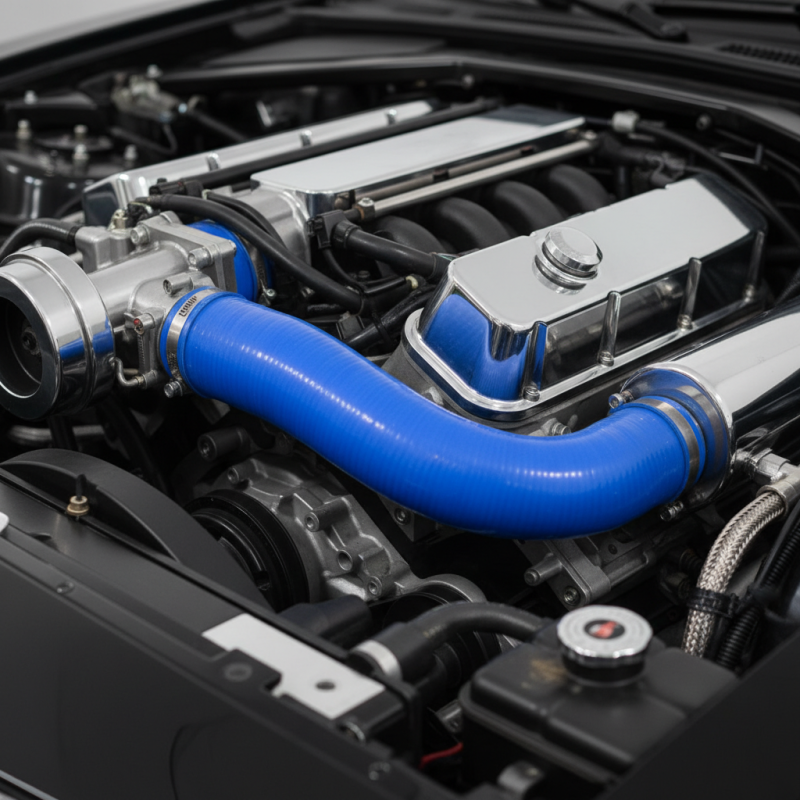
Moreover, silicone intake hoses provide increased flexibility and customization options that cater to various engine designs, allowing for better-fitting components. They also contribute to a reduced weight impact on overall vehicle performance, enhancing efficiency. Finally, silicone options can significantly improve the aesthetics of the engine bay, giving your vehicle a polished and modern look. Overall, upgrading to silicone intake hoses can lead to noticeable improvements in both functionality and appearance.