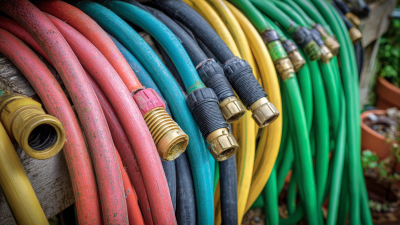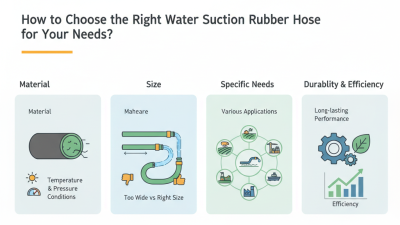
Water Suction Rubber Hose is an essential tool in many industries. Its versatility makes it a preferred choice for transferring liquids efficiently. The design of this hose allows it to withstand challenging conditions, ensuring durability and reliability.
One of the primary benefits is its lightweight nature. A lighter hose is easier to handle. Workers can move it quickly without fatigue. Additionally, the flexibility of the Water Suction Rubber Hose allows for easy installation in tight spaces. This adaptability can save time and reduce labor costs.
Despite its many advantages, some may overlook proper maintenance. Regular checks can prevent wear and tear. Neglecting this can lead to leaks or ruptures, which are costly. Understanding both the strengths and weaknesses of the Water Suction Rubber Hose can lead to better usage. This knowledge is vital for maximizing its benefits in various applications.
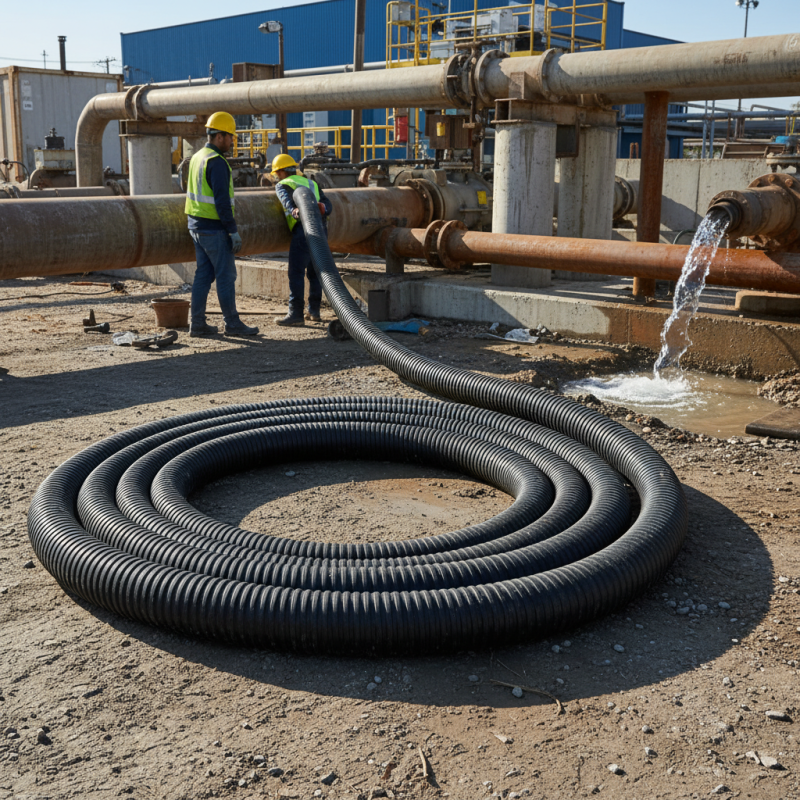
Water suction rubber hoses play a critical role in various industrial applications. They are designed to transport water efficiently and can handle tough conditions. These hoses are often flexible, making them easy to maneuver in different settings. They can withstand high pressures and temperature variations.
One key benefit is their resistance to wear and tear. Industrial environments can be harsh. Water suction hoses can endure abrasions from dirt and rocks. This durability means fewer replacements, saving time and money. Another advantage is their ability to remain functional in extreme weather. Whether in freezing or scorching temperatures, these hoses maintain their integrity, ensuring reliable performance.
Tips: Regularly inspect your hoses for wear. Replace them immediately if you notice cracks or leaks. Always store them properly to prevent damage. When using these hoses, avoid sharp objects that may cause punctures. It's essential to keep them clean to ensure longevity.
Employing water suction rubber hoses can enhance operational efficiency. Their lightweight nature allows for easy handling. Workers can quickly reposition them without excessive effort. This feature can improve productivity in fast-paced projects. So, consider evaluating your current hose systems. You might find room for improvement.
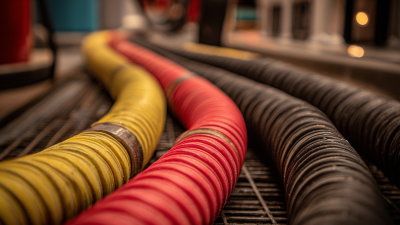
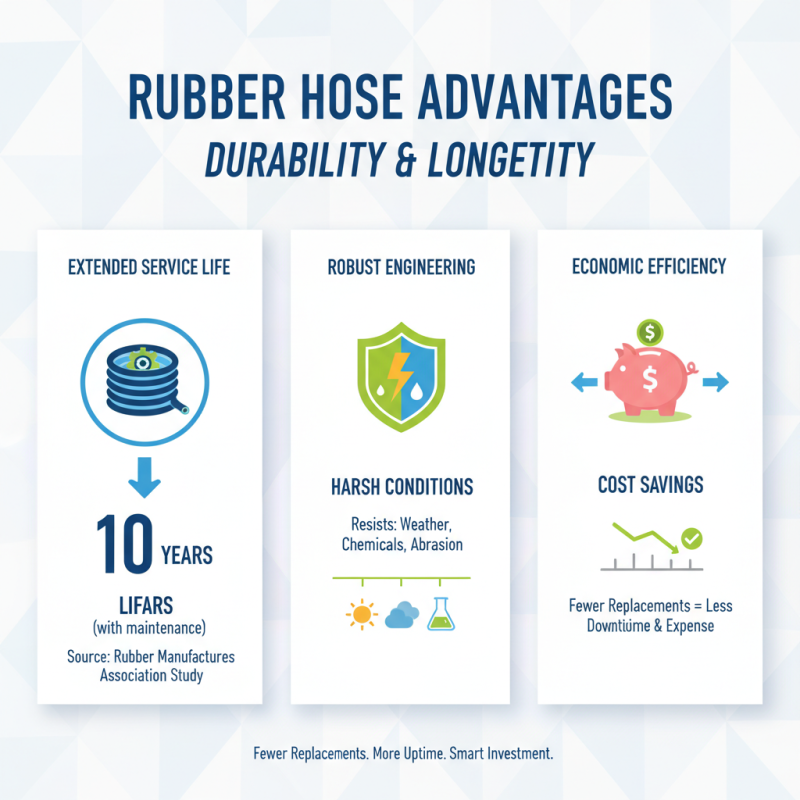
Rubber hoses stand out for their durability and longevity. These hoses are engineered to withstand harsh environmental conditions. A study by the Rubber Manufacturers Association revealed that high-quality rubber hoses can last up to ten years with proper maintenance. This longevity means less frequent replacements, saving businesses time and money.
The performance metrics are impressive. High tensile strength contributes to the hose's resilience. They can endure pressure levels exceeding 200 psi without bursting. Additionally, they show resistance against abrasion and degradation from UV rays and ozone. However, not all rubber hoses meet these standards. It's important to choose hoses that comply with industry-specific regulations.
Despite these advantages, quality control issues persist in the market. Some manufacturers cut corners, impacting performance and safety. Regular inspection and proper storage are crucial. Even high-quality hoses may fail if not maintained. Users should be vigilant, ensuring optimal operation. However, when properly cared for, rubber hoses can provide exceptional service and longevity.
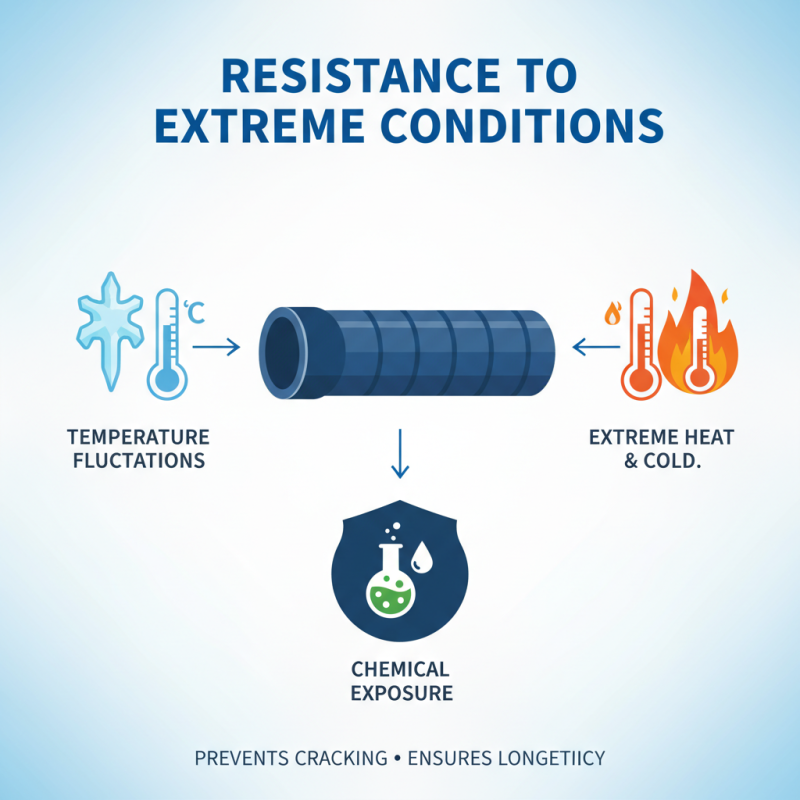
Water suction rubber hoses are essential in various applications. One key characteristic is their impressive resistance to temperature fluctuations. These hoses can handle extreme heat and cold. This capability prevents cracking and ensures longevity.
Chemical exposure is another area where these hoses shine. They can withstand different types of chemicals without degrading. This makes them ideal for industries where contact with harmful substances is routine. However, some hoses may still show signs of wear over time. Regular inspection is necessary to ensure safety.
While they are durable, improper storage can lead to issues. Storing hoses in direct sunlight or extreme conditions may reduce their lifespan. Users must be mindful of how and where they keep these hoses. A little care goes a long way.
Rubber hoses are well-regarded for their superior flow efficiency. A comparative analysis indicates that rubber hoses allow for a consistent and unrestricted flow of water, outperforming alternative materials like PVC and metal. According to a report from the Fluid Transfer Association, rubber hoses can sustain high pressure and flexible movements without significant loss in efficiency.
One key advantage of rubber hoses is their ability to bend without kinking. Kinking often leads to reduced flow, causing inefficiencies in water delivery. In some industry settings, using a kink-resistant rubber hose can boost flow rates by up to 30%. This is a notable difference when compared to rigid materials, which may complicate installations.
Tip: Regularly check for any damage on rubber hoses. Cracks or wear can impact performance. Another tip: use the appropriate diameter for your specific application; a hose that is too narrow can restrict flow, diminishing efficiency and effectiveness. Even small adjustments can result in significant improvements. Reflect on your current setups to identify potential optimizations.
Water suction rubber hoses are becoming increasingly popular in various industries. Their cost-effectiveness over time is a significant benefit. A recent industry report shows that companies save up to 30% on maintenance by using high-quality rubber hoses. Traditional materials often require frequent replacements. This leads to increased costs and downtime.
Maintenance can be a burden. Regular checks and replacements are essential. According to a survey, 25% of businesses reported issues from worn-out hoses. This not only affects productivity but also increases safety risks. In contrast, rubber hoses are durable. With proper care, they can last up to five years longer than cheaper alternatives.
Investing in water suction rubber hoses may seem higher initially. However, the long-term savings can be substantial. Companies typically recoup their investment within two years. Many experts suggest calculating total cost of ownership before making a decision. While rubber hoses may show signs of wear, their overall efficiency makes them a smart choice over time. Balancing initial costs with future savings is crucial.
| Benefit | Description | Cost-Effectiveness | Maintenance Frequency | Replacement Cycle (Years) |
|---|---|---|---|---|
| Durability | Resistant to wear and tear, capable of handling rough conditions. | Reduces need for frequent replacements, saving costs over time. | Annual inspections recommended. | 5-7 years |
| Flexibility | Easily bends without kinking, allowing for adaptable usage. | Less need for additional fittings or couplings. | Visual checks every 6 months. | 4-6 years |
| Chemical Resistance | Compatible with a variety of fluids without degradation. | Lowers costs in handling diverse materials. | Yearly replacement of specific sections. | 3-5 years |
| Lightweight | Easier to handle and transport compared to heavier hoses. | Decreases labor costs related to transport and handling. | Check for stress points quarterly. | 4 years |
| Cost-Effective | Affordable compared to other heavy-duty hoses with similar attributes. | Initial savings lead to long-term investment benefits. | Routine maintenance as needed. | 5-7 years |
| Safety | Reduced risk of leaks and spills due to robust design. | Low risk of accidents can reduce insurance costs. | Inspect seals every 6 months. | 4 years |
| Temperature Resistance | Functions effectively under extreme temperatures. | Reduces costs related to warm weather replacements. | Annual thermal stress checks recommended. | 5-8 years |
| Versatility | Suitable for diverse applications in various industries. | Limits need for multiple hoses, reducing overall expenses. | Initial inspections every 3 months. | 3-5 years |
| Easy to Clean | Quick to maintain, preventing buildup of residues. | Saves time and cleaning costs for regular use. | Monthly cleaning recommended. | 5 years |