Top 10 Tips for Choosing the Right Rubber Air Hose?
Choosing the right Rubber Air Hose can be a daunting task. With various options available, making the best choice is essential for your projects. A good air hose ensures efficiency and durability. But not every hose fits every need.
Many features come into play when selecting a Rubber Air Hose. You should consider length, diameter, and materials. These aspects affect performance, flexibility, and lifespan. It’s crucial to find a hose that meets your needs without compromise.
However, it’s easy to overlook certain factors. Aesthetic appeal might catch your eye, but practicality is king. After all, a beautiful hose that doesn't perform well is wasted potential. Reflect on your specific requirements to avoid common mistakes. Don't rush this decision; it pays off in the long run.
Understanding the Purpose and Applications of Rubber Air Hoses
Rubber air hoses are essential tools in various applications. They are used in industries like automotive, construction, and manufacturing. Their flexibility allows for easy maneuverability in tight spaces. When choosing a rubber air hose, understanding its purpose is vital. These hoses transport compressed air efficiently, powering tools and equipment.
Selecting the right size and length is crucial. A hose that is too long may lead to pressure loss. Conversely, one that is too short can limit your work area. Pay attention to the working pressure rating as well. If the hose cannot withstand the required pressure, it may fail during use.
Durability is another factor to consider. Rubber air hoses must endure harsh conditions. They should resist wear and tear from exposure to chemicals and UV light. Choosing a less durable hose may seem cost-effective at first. However, it could lead to frequent replacements, ultimately increasing expenses. Evaluate your specific needs for longevity and performance. Choose wisely—weigh your options before making a decision.
Top 10 Tips for Choosing the Right Rubber Air Hose
This bar chart illustrates the importance of various factors to consider when choosing the right rubber air hose. Each factor is rated on a scale from 1 to 10, reflecting its significance in the decision-making process.
Evaluating Hose Diameter and Length for Your Specific Needs
Choosing the right rubber air hose involves careful consideration of several factors, especially diameter and length. A hose that is too narrow can restrict airflow, while a hose that is too wide may not provide the necessary pressure for tools. According to industry data, an optimal diameter is typically between ¼ to ½ inch for most air tools. This range strikes a balance between adequate airflow and pressure.
When determining the length, consider the distance between your compressor and tools. A longer hose can lead to increased pressure drop. Some studies suggest that for every 25 feet of hose, pressure can drop by 1 PSI, which may affect tool performance. It’s essential to choose a length that minimizes kinks and tangles while still reaching your work area effectively.
Tip: Always measure the distance before purchasing. This prevents overspending on unnecessary length.
Tip: Test different diameters with your air tools. Understanding how each size affects performance can guide your choice.
Many users overlook the importance of matching hose diameter and length to specific tasks. This lack of awareness can lead to inefficiency. Regular reviews of your setup can improve your workflow significantly.
Assessing Temperature and Pressure Ratings for Safe Usage
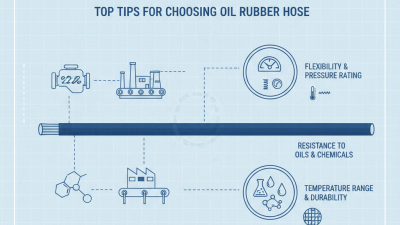
When selecting a rubber air hose, temperature and pressure ratings are crucial. Understanding these ratings can prevent accidents. High temperatures can weaken the hose, while excessive pressure may cause bursts. Always check the specifications before purchase.
Check the hose's temperature limits. Many hoses perform well up to 200°F, but heat can degrade rubber. In cold conditions, flexibility may decrease. It's essential to choose a hose that stays workable in your environment.
Pressure ratings also matter. They indicate the maximum pressure the hose can handle safely. An under-rated hose can lead to dangerous situations. Ensure your hose matches the air compressor’s output.
Evaluating these factors can seem tedious. However, don’t rush. A poor choice can lead to costly mistakes. Investing time in research pays off in the long run.
Reviewing Hose Materials and Construction Quality for Durability
Choosing the right rubber air hose is crucial for effective performance. When reviewing hose materials and construction quality, you want to focus on durability. Look for hoses made from high-quality rubber compounds. These provide better resistance to wear, tear, and environmental factors. A durable hose will serve you well, reducing the need for replacements often.
Consider the thickness of the hose walls. Thicker walls usually ensure better performance under pressure. This can be crucial for heavy-duty tasks. A well-constructed hose will have reinforced areas, especially at the fittings. Reinforcement adds to the lifespan but may also make the hose heavier and less flexible.
Tip: Check for certifications before purchasing. Quality certifications often indicate better manufacturing standards. Look for hoses that can withstand extreme temperatures. This ensures they function well in various settings. Remember, not all hoses are equal. Some might fail under pressure, leading to hazardous situations. Always prioritize quality over price to avoid regrets later.
Comparing Pricing and Brand Reputation in the Market
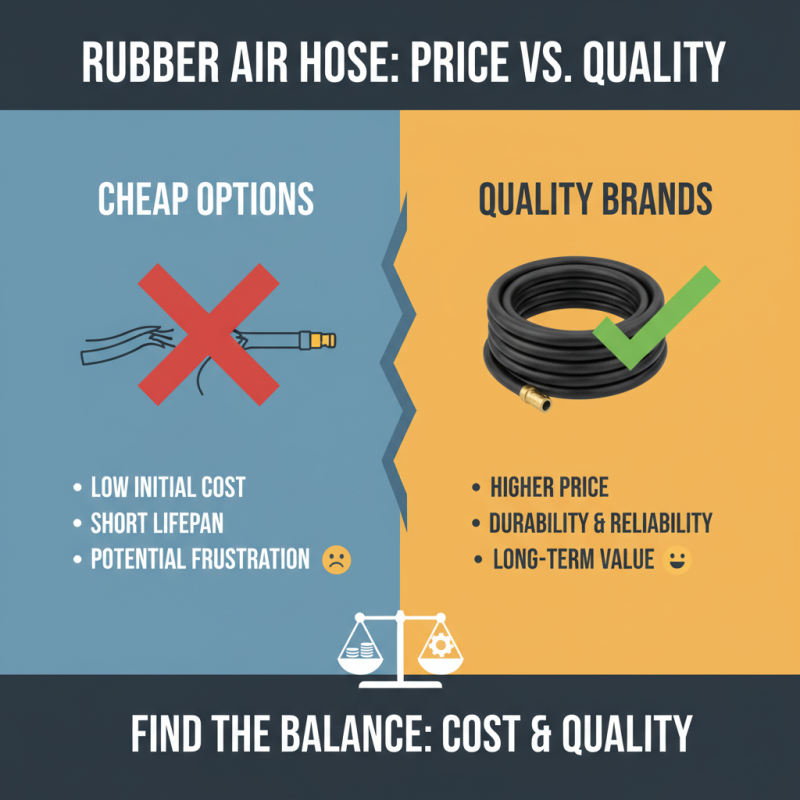
When choosing a rubber air hose, pricing and brand reputation are crucial. Prices vary widely in the market. Some hoses are very cheap, but they may not last long. In contrast, others seem costly but offer durability. Finding a balance between cost and quality is key. It’s tempting to pick the least expensive option, yet this may lead to frustration later.
Brand reputation plays a significant role. Some brands are well-known for their reliability, while others may not have established their credibility. Read reviews and ratings online. This can provide insights into the product's performance. A well-reviewed brand may cost more, but it often reflects better quality. It’s worth investing time in research to avoid buying something that fails quickly. Consider asking friends for recommendations. Personal experiences can guide your decisions.
Don’t overlook warranty and customer service. A good warranty may indicate confidence in the product. If something goes wrong, responsive customer service can save time and hassle. Sometimes a cheap hose claims to be high quality but lacks support. Reflect on your choices and consider the long-term implications of your investment.