Essential Tips for Choosing the Right Silicone Hose Kit?
Choosing the right Silicone Hose Kit is crucial for optimal performance in various applications. Many factors influence this choice, including material quality, compatibility, and temperature resistance. Without accurate information, the wrong selection can lead to leaks or failures.
Expertise in silicone hose kits is essential. Look for kits made from high-grade silicone materials. They offer better durability and heat resistance than generic options. Pay attention to the specifications to ensure proper fit and functionality.
A reliable silicone hose kit enhances efficiency and longevity in your system. However, many overlook the significance of proper sizing and intended use. Neglecting these details can result in costly repairs. Therefore, consider professional advice to make an informed decision that meets your specific needs.
Understanding the Purpose of Silicone Hose Kits in Various Applications
Silicone hose kits play a vital role in various applications. They are used in automotive, marine, and industrial settings. Silicone hoses offer flexibility, temperature resistance, and durability. According to industry reports, silicone hoses can withstand temperatures between -60°F and +500°F. This wide range of durability is essential for high-performance environments.
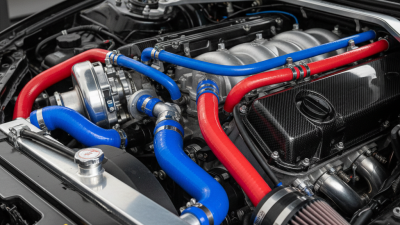
In automotive applications, silicone hoses can efficiently transfer fluids and gases. They help maintain optimal engine performance. A study shows that replacing traditional rubber hoses with silicone can improve performance by up to 15%. This is significant for those seeking enhanced vehicle efficiency. In marine applications, silicone hoses are crucial for cooling systems. They resist corrosion and withstand harsh marine conditions.
Choosing the right silicone hose kit requires understanding specific needs. Factors like diameter, length, and bend radius matter. Not every kit suits all applications. Hence, professionals should reflect on their specific requirements. A misfit can lead to performance issues. It's essential to weigh options carefully before making a selection. The right information can lead to better decision-making in hose kit selection.
Key Factors to Consider When Selecting Silicone Hose Materials
Choosing the right silicone hose kit involves considering specific material properties. Silicone hoses are known for their flexibility and temperature resistance. When selecting, assess the temperature range your application requires. High-quality silicone withstands extreme heat without degrading.
Another factor is reinforcement. Some hoses come reinforced with additional layers. This feature adds strength, preventing bursts under high pressure. Look for features like smooth interior surfaces. These reduce turbulence and improve flow efficiency.
Don't forget chemical compatibility. Different silicone formulations react differently with various fluids. Ensure the material is suitable for your application. While some hoses are very durable, they may not work with specific chemicals. Testing them in your environment is wise. Be mindful of potential weaknesses in design. Small imperfections can lead to significant issues over time. Each selection should balance quality and cost-effectiveness, asking questions along the way.
Evaluating Different Silicone Hose Sizes and Configurations
When evaluating silicone hose sizes and configurations, it’s important to consider the specific application. Different engines or systems may require unique dimensions. Measure the existing hoses for an accurate match. If you're working on a custom project, take note of potential bends and specific angles.
Hose diameter plays a crucial role in performance. Too small a diameter can restrict flow, while too large may cause turbulence. It's beneficial to compare several options. Some hoses offer better flexibility for tight spaces. Others have reinforced designs for high-pressure applications.
Pay attention to the length of the hoses, as well. Longer hoses may increase the risk of kinks or bends. Shorter hoses can improve flow efficiency but might be difficult to install in some setups. Always keep installation ease in mind. Evaluate how each length could impact the overall configuration of your system. Reflect on your needs to ensure the best fit.
Essential Tips for Choosing the Right Silicone Hose Kit
This chart displays the number of silicone hose kits sold across different sizes. It highlights the popularity of various hose sizes, useful for evaluating which configurations might be best suited for different applications.
Comparing Performance Attributes of Silicone Hoses vs. Rubber Hoses
When comparing silicone hoses to traditional rubber hoses, performance attributes play a crucial role. Silicone hoses can withstand higher temperatures, often up to 200°C, while rubber hoses typically function well only up to 85°C. This heat tolerance makes silicone ideal for high-performance applications, particularly in automotive and industrial settings.
Furthermore, silicone hoses have superior resistance to various chemicals and UV exposure. Studies indicate that silicone retains its flexibility and strength over time, even in harsh environments. In contrast, rubber can degrade faster when exposed to oils and ozone. For instance, analysis reveals that silicone hoses can last up to three times longer than rubber hoses in adverse conditions.
However, some may argue that silicone can be more expensive upfront. While the initial cost is higher, the long-term durability might justify the investment. It's essential to weigh longevity and performance against cost. Not every application necessitates silicone; for lower-stress environments, rubber might still suffice. Evaluating the specific needs of your application is vital.
Essential Tips for Choosing the Right Silicone Hose Kit
| Attribute |
Silicone Hoses |
Rubber Hoses |
| Temperature Resistance |
-60°C to 180°C |
-40°C to 120°C |
| Flexibility |
High |
Moderate |
| Durability |
Excellent (up to 10 years) |
Good (up to 5 years) |
| Chemical Resistance |
Excellent |
Limited |
| Weight |
Lightweight |
Heavier |
| Cost |
Higher |
Lower |
Maintenance Tips for Extending the Lifespan of Silicone Hose Kits
Silicone hose kits are popular for their durability and flexibility. To ensure they last, proper maintenance is key. Reports indicate that silicone hoses can endure temperatures ranging from -60°C to 200°C, but their lifespan can be shortened by improper care.
Regularly inspect your silicone hoses for signs of wear, such as cracking or discoloration. These visual cues can indicate problems. Additionally, avoid exposure to harsh chemicals and UV rays to maintain their integrity. Silicone is sturdy, but its performance can degrade when subjected to extreme conditions. It’s advisable to rinse your hoses regularly to remove debris or buildup.
Another tip is to avoid sharp bends when installing your hoses. This can lead to kinks and blockages, compromising performance. Ensure that installation areas are clean and free of debris. Improper installation can lead to leaks. Reports suggest that almost 15% of silicone failure arises from installation issues.
Following these tips will help you prolong the life of your silicone hoses. Investing time in maintenance can save you costs related to replacements and repairs. Keep a close eye on your hoses, as small issues can turn into significant problems if neglected.