Ultimate Tips for Choosing the Right Rubber Suction Hose?
Choosing the right rubber suction hose is crucial for effective performance in various applications. Industry expert, Dr. Emily Carter, states, "The right choice can enhance efficiency and safety." With numerous options available, potential buyers might feel overwhelmed. It's vital to consider several factors, such as material, diameter, and working pressure.
Many rubber suction hoses are designed for different environments. For instance, some are more flexible in cold conditions, while others withstand high temperatures. The proper selection can prevent issues like kinking or rupturing, which can disrupt operations. In contrast, making a rushed decision could lead to costly replacements.
Consulting experts in the rubber suction hose field can provide valuable insights. However, even experts caution against relying solely on product specifications. Hands-on experience and real-world testing can expose flaws that specifications may not reveal. Hence, reflecting on personal needs and consulting knowledgeable sources is essential for optimal selection.
Understanding the Basics of Rubber Suction Hoses
Rubber suction hoses play a crucial role in various industries. Understanding their basics helps in selecting the right one. These hoses are designed to transport liquids and sometimes gases. They are versatile, durable, and can handle different environments.
When looking for a rubber suction hose, consider the material. Different compounds offer varying levels of flexibility and resistance. A thicker wall might seem better, but it can reduce ease of handling. The hose diameter also affects flow rates. Smaller diameters may limit capacity.
Another critical factor is the working pressure. Each application has specific pressure requirements. Make sure the hose matches these needs. Sometimes, the best option isn't the most robust one. Sometimes, balance between durability and flexibility is key. Take time to evaluate your options thoroughly. This careful assessment can lead to better decision-making in the long run.
Key Factors to Consider When Selecting a Rubber Suction Hose
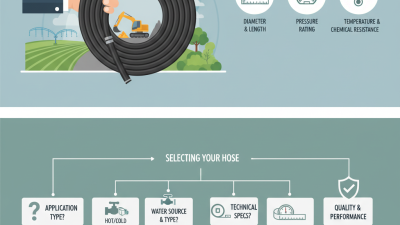
When selecting a rubber suction hose, several key factors come into play. The material of the hose is crucial.
Natural rubber is often flexible and resilient, while synthetic options provide durability. Each choice influences the hose's resistance to temperature and chemicals.
Think about what you will transport. Is it water, oil, or chemicals?
The right choice can prevent leaks and ensure safety.
Length and diameter matter as well. A hose that’s too short won’t reach your equipment. But a hose that’s too long may create unnecessary bends or pressure drops.
To find the ideal size, measure carefully and factor in the layout of your setup. A common mistake is underestimating the impact of bends.
Even slight curves can cause significant issues over time.
Here are some tips:
- Always check the hose’s pressure rating. Ensure it aligns with your use case.
- A higher rating offers more robustness.
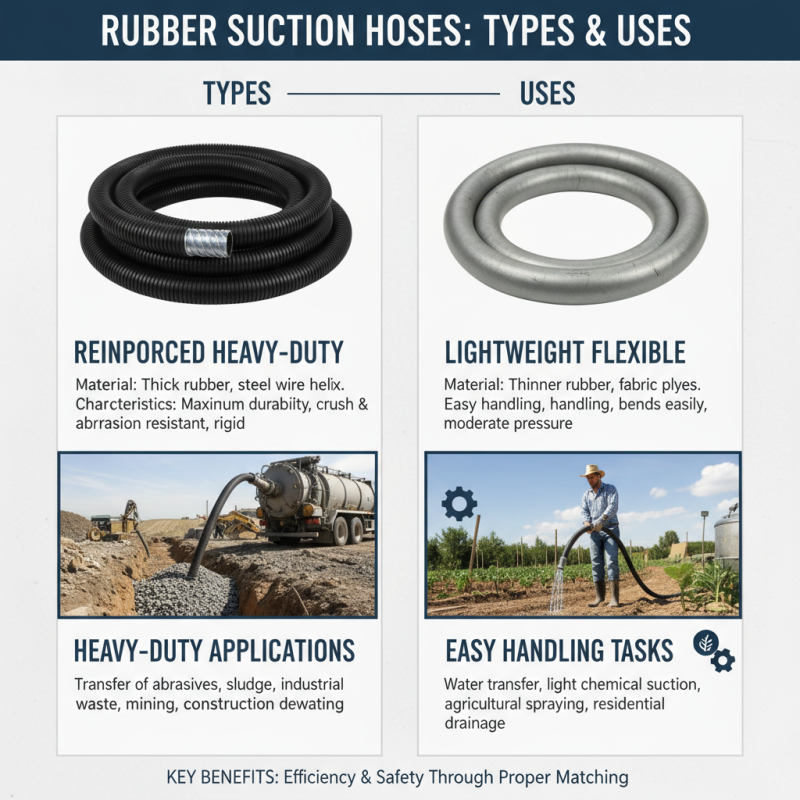
- Look for hoses with reinforcement if you plan on heavy-duty use.
- Read user reviews; real-world feedback can highlight potential problems.
Investing time in these considerations can enhance your
experience and prevent future frustrations.
Common Mistakes to Avoid When Choosing Rubber Suction Hoses
Choosing the right rubber suction hose can be challenging. Many overlook crucial factors, leading to costly mistakes. One common error is misjudging the hose's temperature tolerance. Rubber hoses have limits. Using them outside these limits can cause degradation, leading to failures. A report from the Rubber Manufacturers Association highlights that improper material selection accounts for 30% of hose failures.
Another mistake involves size compatibility. A hose that is too large or too small can hinder performance. It leads to inefficiencies and blockages. According to industry studies, choosing the wrong diameter can reduce suction capacity by up to 50%. This can severely affect operations, especially in high-demand settings.
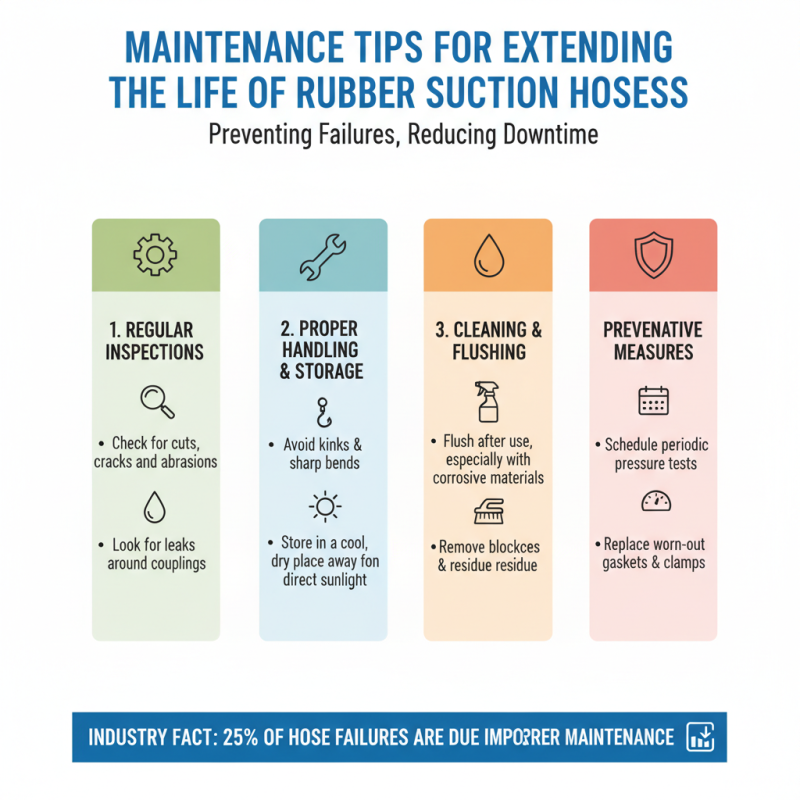
Tips: Always check the specifications for temperature and size. Consider your application carefully before making a choice. Ensure that the materials used can withstand the elements they will face. Regular inspections can prevent damage, prolonging the hose's lifespan. Taking these steps increases reliability and performance. Make informed decisions to avoid unnecessary challenges.