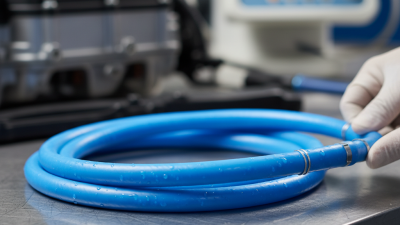
Top 10 Soft Touch Silicone Hose Suppliers in China?
The demand for Soft Touch Silicone Hose has surged in recent years. Industry reports indicate a significant growth of over 8% annually in the silicone products market. As manufacturers seek more durable and versatile materials, silicone hoses have become crucial in various sectors, including automotive and medical industries.
China, being a global manufacturing leader, hosts numerous suppliers specializing in these innovative hoses. The rise of e-commerce has increased accessibility to these products. Buyers must navigate this landscape carefully. Choosing reliable suppliers is essential for quality assurance. This is an area where transparency and trust are vital.
Many companies claim to offer high-performance Soft Touch Silicone Hose, but not all meet industry standards. Some may lack certifications or quality control measures. Therefore, assessment of manufacturers based on their reputation and history is critical for procurement. A well-informed choice can make a substantial difference in long-term operational efficiency.
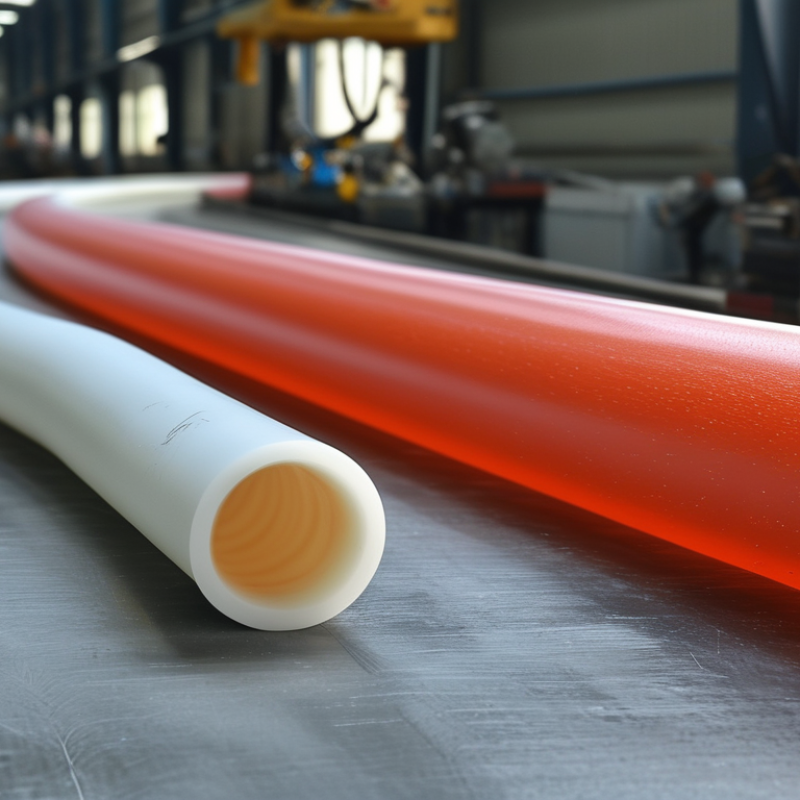
Overview of Soft Touch Silicone Hose Characteristics
Soft touch silicone hoses are gaining attention in various industries for their unique characteristics. These hoses are made from high-quality silicone, providing exceptional flexibility and durability. They are resistant to extreme temperatures and adverse environmental conditions, making them suitable for a range of applications. Their softer touch not only enhances user comfort but also reduces the risk of damage to sensitive equipment.
When selecting a silicone hose supplier, prioritize quality. Ensure the supplier employs stringent quality control processes during production. Additionally, look for suppliers that provide certifications for their products. This indicates a commitment to safety standards and reliability.
Tips: Always request samples before placing bulk orders. Testing the hose in your specific application can save time and resources later. Pay attention to the thickness of the hose; it can affect both performance and lifespan.
Another important aspect is the environmental impact. Seek suppliers that prioritize eco-friendly practices in their manufacturing processes. This not only benefits the planet but often results in superior products as well. When evaluating suppliers, consider how their practices align with your sustainability goals.
Top 10 Soft Touch Silicone Hose Characteristics
| Characteristic |
Description |
Application |
Temperature Range (°C) |
Durometer (Shore A) |
| Flexibility |
Offers high flexibility for ease of installation and bending. |
Automotive, plumbing, and HVAC applications. |
-60 to 200 |
50 - 70 |
| Durability |
Resistant to wear and tear, enhancing lifespan. |
Industrial machinery, medical devices. |
-40 to 230 |
60 - 80 |
| Chemical Resistance |
Resistant to various chemicals, oils, and solvents. |
Pharmaceutical and food processing industries. |
-50 to 150 |
40 - 60 |
| Soft Touch |
Provides a soft feel for better grip and comfort. |
Consumer products, medical devices. |
-20 to 120 |
20 - 40 |
| UV Resistance |
Protects against degradation from sunlight exposure. |
Outdoor and industrial applications. |
-30 to 180 |
40 - 70 |
| Aesthetic Appeal |
Available in various colors and finishes. |
Consumer and automotive markets. |
-40 to 200 |
30 - 50 |
| Lightweight |
Ensures reduced weight compared to conventional hoses. |
Aerospace and transportation. |
-50 to 150 |
50 - 70 |
| Non-toxicity |
Safe for use in food and medical applications. |
Food and beverage, medical. |
-60 to 250 |
40 - 80 |
Key Factors in Selecting a Silicone Hose Supplier
When selecting a silicone hose supplier, several key factors must be considered. Quality is paramount. A reputable supplier should provide hoses that meet industry standards. According to recent industry reports, over 30% of silicone hoses fail due to subpar materials. This can lead to operational inefficiencies in various applications. It's crucial to verify that the manufacturer uses high-grade silicone that can withstand high temperatures and pressures.
Another factor is production capability. The ability of a supplier to meet demand consistently is vital. A reliable supplier should have robust manufacturing facilities that can produce hoses in large quantities without sacrificing quality. Data shows that suppliers with advanced technology can reduce lead times by up to 25%. It's also important to look for suppliers offering customization options. This can enhance product versatility and fit specific needs.
Lastly, consider customer service and support. A supplier’s responsiveness can significantly impact your operations. Those that prioritize customer relations often foster long-term partnerships. However, not all suppliers are equally reliable. Some may promise quick turnaround but fail to deliver on time. Engaging with suppliers through trial orders can help assess their capabilities. Choose wisely to ensure operational success.
Top 10 Soft Touch Silicone Hose Suppliers in China
Top 10 Reliable Soft Touch Silicone Hose Suppliers in China
When searching for reliable soft touch silicone hose suppliers in China, it’s crucial to consider several factors. Experience plays a vital role in supplier reliability. Many manufacturers have decades of expertise. They understand the nuances of material quality and production processes. Engaging with a supplier who has a strong track record can save time and resources.
Quality assurance measures are another key aspect. A reputable supplier conducts thorough testing on their products. This includes checking durability and flexibility, which are essential for silicone hoses. Additionally, certifications can indicate a supplier's commitment to maintaining high standards. It’s wise to request documentation to affirm these claims.
Communication is often overlooked but is equally important. Suppliers should be responsive and open to inquiries. A responsive approach demonstrates a commitment to customer service. However, finding suppliers who truly excel in this area can be challenging. Some might excel in product quality but lack in communication. It’s essential to strike a balance to ensure a smooth collaboration.
Comparative Analysis of Price and Quality Among Suppliers
When seeking soft touch silicone hoses in China, price and quality are crucial factors. Suppliers often vary significantly in these areas. A detailed analysis reveals varying approaches to material sourcing and manufacturing techniques. Some suppliers prioritize low cost, often compromising quality. Others emphasize premium materials but at a higher price point.
When assessing quality, consider durability and performance. Cheaper options may wear out quickly, leading to regular replacements. On the other hand, a higher initial investment in quality hoses can result in long-term savings. Always request samples to evaluate texture and flexibility.
Tips: Always check for certifications. These can be indicators of quality standards. Engage in open discussions with suppliers about their manufacturing processes. Don't hesitate to ask for client testimonials.
Trust is key in supplier relationships. A reliable supplier should be transparent about their pricing structure. Beware of hidden costs that can inflate prices. It's essential to balance both price and quality for optimal purchasing decisions. Good hoses should serve well over time without frequent failures. Reflecting on feedback from previous projects can aid in making better choices.
Industry Trends in the Silicone Hose Market in China
The silicone hose market in China is evolving rapidly. Manufacturers are increasingly focusing on high-quality materials and innovative designs. These changes are driven by demand from various industries, including automotive, medical, and food processing. Companies are investing in advanced technology to improve production efficiency and product reliability.
Sustainability is becoming a key trend. Many suppliers are exploring eco-friendly materials and processes. This aligns with global efforts to reduce plastic waste. However, there’s a challenge. Not all manufacturers are equipped to make this transition smoothly. Some may lack the necessary knowledge or resources.
Customer preferences are also shifting. Buyers are prioritizing durability and performance over cost. They seek products that can withstand extreme conditions. This raises the pressure on suppliers to deliver superior offerings. Achieving this balance is complex and requires continuous innovation. Quality control remains a significant concern, as inconsistent production can lead to brand damage.