What Is a Silicone Hump Hose and Where Is It Used?
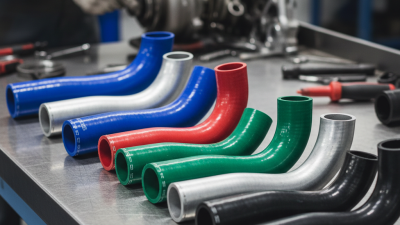
A Silicone Hump Hose is a flexible connector designed to join pipes, tubes, or charge-air components. Its raised center creates extra movement capacity. This shape helps absorb vibration, thermal expansion, and minor alignment changes. It is commonly used in automotive intake systems, turbocharger plumbing, industrial machinery, marine engines, and selected HVAC installations.
In a workshop, the hose may connect a polished aluminum tube to a rigid engine component. You can often see its value when the engine moves slightly under load. The silicone wall flexes instead of forcing stress onto nearby fittings. Quality versions usually contain reinforced fabric layers. They can also resist heat, ozone, moisture, and many common fluids. However, performance depends on the silicone grade, reinforcement, temperature range, pressure rating, and clamp design. No hose fits every application.
Selecting the correct Silicone Hump Hose requires careful measurement. Check the inside diameter, hump position, bend angle, and available installation space. A hose that looks suitable may still collapse, rub against metal, or leak under pressure. That detail is easy to miss. Confirm the manufacturer’s specifications before installation. Inspect the hose regularly for cuts, swelling, soft spots, or loose clamps. In my experience, small surface damage deserves attention early. Replacement is usually simpler than diagnosing a sudden connection failure. The term “universal” can also be misleading. Real compatibility depends on the system. A reliable choice combines accurate dimensions, suitable materials, and a realistic understanding of operating conditions.
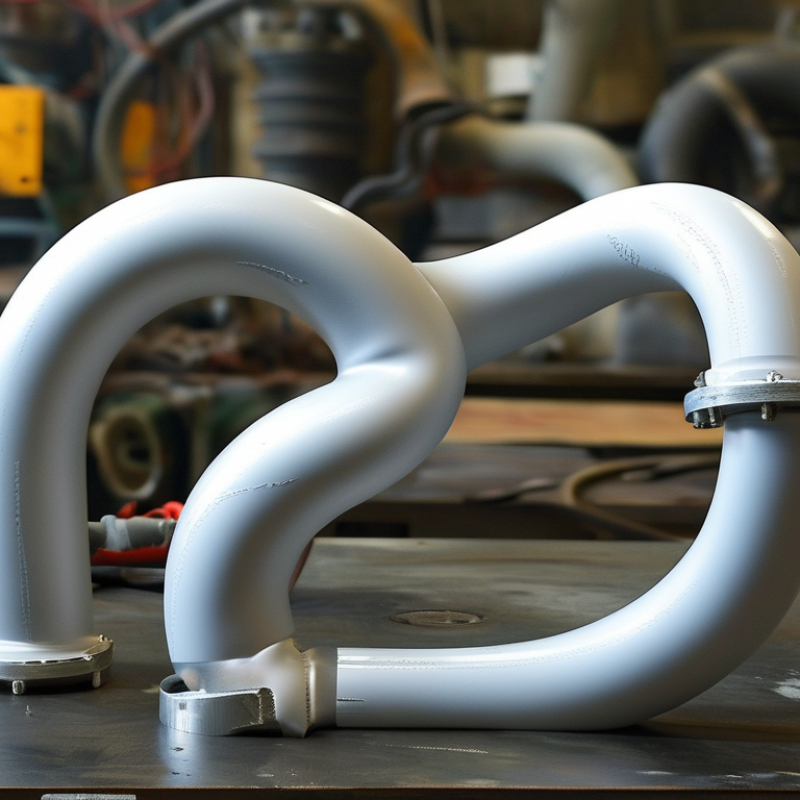
What Is a Silicone Hump Hose?
What Is a Silicone Hump Hose?
A silicone hump hose is a flexible connector with raised, corrugated sections along its body. These “humps” let the hose stretch, compress, and bend without sharply stressing nearby pipes. Unlike a straight coupler, it helps manage engine movement, vibration, and small alignment changes. Most designs use silicone rubber with polyester or aramid reinforcement. The exact construction depends on pressure, temperature, and movement requirements.
Silicone hump hoses commonly connect turbochargers, intercoolers, air intake pipes, radiators, and industrial ventilation ducts. They remain flexible across a wide temperature range, but performance still depends on the compound and reinforcement. Grand View Research reported that the global silicone market reached about USD 18.5 billion in 2023. It also forecast continued growth through 2030, driven partly by automotive and industrial demand. Such figures show strong material adoption, not automatic suitability for every hose application. In practice, an oversized bend or poorly tightened clamp can cause early failure. That detail is easy to overlook.
Tips:
Measure the pipe outside diameter carefully. Check the working temperature and pressure first. Leave enough room for movement. Avoid twisting the hose during installation. Inspect for soft spots, surface cracks, or clamp marks during maintenance. Selection is not always simple. A thicker wall may improve durability, but it can reduce flexibility and increase cost. The best choice matches the actual movement, heat, and pressure conditions.
How Is a Silicone Hump Hose Constructed?
A silicone hump hose is built to manage movement between rigid pipes, especially where vibration, thermal expansion, or engine movement occurs. Its most visible feature is the raised hump, which flexes without sharply folding the hose. This shape helps maintain airflow or coolant circulation when connected components shift slightly.
Construction begins with a silicone rubber tube formed around a smooth mandrel. Reinforcing fabric is then wrapped between silicone layers. Polyester is common for moderate pressure, while aramid reinforcement may support more demanding conditions. The number and direction of the fabric layers affect flexibility, pressure resistance, and dimensional stability. The hose is shaped with one or more molded humps before controlled heat cures the material. The ends are trimmed evenly, leaving smooth collars for clamps.
The process sounds simple. It is not.
During inspection, I would check for air bubbles, uneven wall thickness, exposed reinforcement, and rough edges. These defects can weaken the hose or create sealing problems. A reliable manufacturer should also verify dimensions, pressure performance, vacuum resistance, and temperature behavior.
However, visual inspection alone cannot confirm long-term durability. I would match the hose to the actual fluid, temperature range, pressure, and bend radius. Silicone handles heat and ozone well, but it is not suitable for every chemical or fuel application. Clamps also need even tightening; excessive force can crush the collar and damage the seal.
How Does a Silicone Hump Hose Work?
What Is a Silicone Hump Hose and Where Is It Used?
How Does a Silicone Hump Hose Work?
A silicone hump hose joins pipes with different positions, diameters, or movement. Its raised center section flexes during vibration, thermal expansion, and engine movement. This flexibility protects rigid pipes from stress and cracking. It is commonly used in turbocharger systems, charge-air piping, cooling circuits, and industrial air lines. Silicone usually handles temperatures from about -50°C to 180°C, depending on construction and reinforcement.
The hose works like a controlled expansion joint. When pressure changes, its fabric layers help maintain shape and reduce ballooning. The hump also allows limited axial movement without loosening the connection. SAE J20 performance guidance is often referenced for automotive coolant and pressure-hose evaluation. The U.S. Department of Energy reports that poorly maintained compressed-air systems can waste 20–30% of generated air. A leaking connection can add to that loss. The number varies by system, so it should not be treated as a universal result.
Tips: Measure the pipe outside diameters first. Leave enough room for natural flex. Do not force a short hose across a large offset. Use smooth, even clamp pressure. Inspect for oil swelling, cuts, and soft spots. A hose may look acceptable while its inner layers are already weakening. That detail is easy to miss.
What Is a Silicone Hump Hose and Where Is It Used?
A silicone hump hose is a flexible connector with one or more raised sections that absorb movement, vibration, and small alignment changes between rigid pipes. It is commonly used in engine air-intake, charge-air, cooling, and vacuum systems.
How Does a Silicone Hump Hose Work?
The hump section flexes and expands when connected components move or vibrate. This reduces stress on rigid pipes, clamps, and fittings while maintaining an airtight or fluid-tight connection.
Note: The temperatures shown are representative engineering values for silicone hose applications. Actual limits depend on hose construction, reinforcement, pressure, fluid type, exposure time, and the specific product design.
Where Are Silicone Hump Hoses Used?
What Is a Silicone Hump Hose and Where Is It Used?
Silicone hump hoses are flexible connectors used between rigid pipes or tubes. They are common in engine compartments, where vibration and heat can damage fixed connections. The raised section, or hump, allows controlled movement during operation. It also helps compensate for slight misalignment between connected parts. This matters when an engine shifts on its mounts. In turbocharged systems, these hoses often connect air intake pipes, intercoolers, and throttle bodies. They must handle pressure, temperature changes, and repeated movement without collapsing. Cooling systems use them too, especially around radiators, expansion tanks, and large coolant pipes. They also appear in generators, agricultural equipment, marine machinery, and industrial ventilation systems.
Their value is practical, not decorative. A well-fitted hose can reduce stress on metal tubing and clamps. It may also make maintenance easier in crowded spaces. However, silicone is not suitable for every fluid or application. Oil exposure, sharp edges, excessive heat, and poor clamping can shorten its service life. A hose can look healthy outside while becoming soft inside. That mistake is easy to miss. Technicians should check for swelling, cracking, abrasion, and clamp movement during routine inspections. Correct inner diameter is essential, because a loose fit can leak under pressure. In real maintenance work, small alignment errors often cause bigger problems later. Selection should follow the system’s pressure, temperature, fluid, and movement requirements.
How to Select and Maintain a Silicone Hump Hose
A silicone hump hose is a flexible connector with one or more raised sections. These humps absorb vibration, engine movement, and small alignment changes. They commonly join turbocharger pipes, intercooler tubes, coolant lines, and industrial air systems. Compared with ordinary rubber, silicone usually handles wider temperature ranges. However, it is not automatically suitable for every fluid or pressure.
Selection should begin with accurate measurements.
Check the inside diameter, wall thickness, hose length, working pressure, and bend radius. Record the highest and lowest operating temperatures, not just the average. A four-ply hose may resist pressure better, while a two-ply design may provide more flexibility. SAE J20 and ISO 1307 offer useful references for hose construction and dimensional control. ASTM D380 also describes standard testing methods for rubber and hose performance. The U.S. Department of Energy reports that compressed-air systems can waste 20–30% of supplied air through leaks, so a loose clamp deserves immediate attention. This figure is not a direct hump-hose failure rate, but it shows how small leaks become expensive.
Tips:
Inspect the hose during cold and hot conditions. Look for soft spots, surface cracks, bulges, oil swelling, and clamp marks. Keep clamps behind the raised section, not on its peak. Replace a hose when reinforcement becomes visible. Do not twist it during installation. I still measure twice; production drawings can be wrong. Allow movement, but never use the hose to correct severe misalignment. Periodic inspection records make maintenance decisions more reliable.