What is Oil Rubber Hose and How is it Used?
Oil Rubber Hose is a vital component in various industries. It is designed to transport oil and other fluids safely. This flexible hose can withstand high pressures and extreme temperatures. Often used in automotive and machinery applications, its durability makes it indispensable.
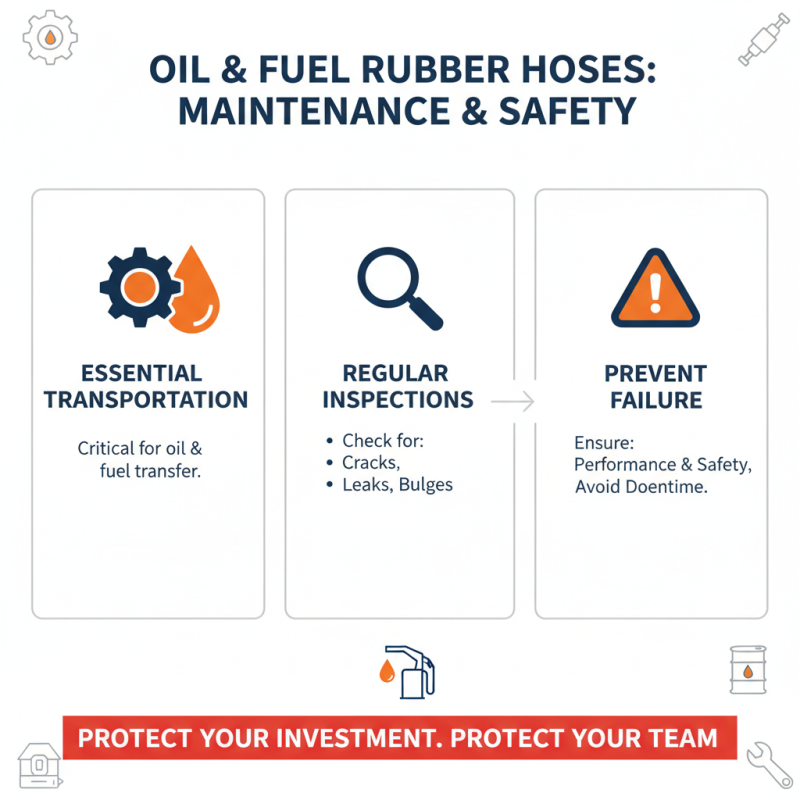
The versatility of Oil Rubber Hose allows it to function in numerous environments. From petroleum refineries to construction sites, it serves different purposes. However, we must recognize that improper use may lead to safety hazards. Regular inspections and maintenance are essential for optimal performance.
While the benefits of Oil Rubber Hose are clear, it is not without flaws. Users may overlook signs of wear and tear. This negligence can result in leaks or failures. Therefore, understanding its properties and limitations is crucial for safety and efficiency.
What is Oil Rubber Hose: Definition and Composition
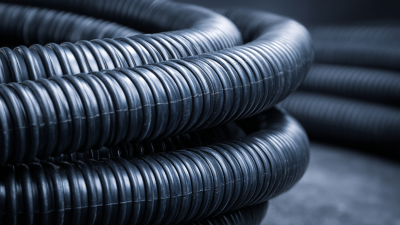
Oil rubber hose is a specialized type of flexible tubing. It is designed to transport various types of oils and lubricants. This hose is made from synthetic rubber materials, ensuring durability and resistance to wear. Its structure allows it to handle high pressures while maintaining flexibility.
The composition of oil rubber hose typically includes layers of reinforced materials. These layers provide strength and prevent leaks. This hose often features an outer layer that protects against environmental damage. Its inner layer is resistant to oil and chemical interactions. The materials used can vary in quality, potentially affecting performance.
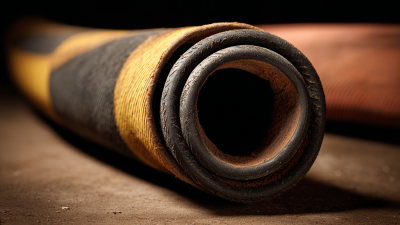
Visualizing an oil rubber hose reveals its robust texture and vibrant appearance. It can withstand extreme temperatures, both hot and cold. While commonly used in automotive applications, some industries utilize it for machinery. Not all hoses are equal; improper selection can lead to failures.
Testing and validation are crucial for safety. Understanding the specific needs in various applications helps ensure effective use.
Key Materials Used in Oil Rubber Hose Construction
Oil rubber hoses are vital components in various industries. They are designed to handle the transfer of oils and other fluids safely. The construction of these hoses primarily involves three key materials: rubber, fabric reinforcement, and specialized additives.
Rubber serves as the main body of the oil hose. It is flexible and durable, providing resistance to temperature and pressure. The choice of rubber type affects the hose's performance. Different grades offer various levels of oil resistance. Fabric reinforcement adds strength. It enhances the hose's ability to withstand pressure, preventing leaks. This layer is usually made of synthetic fibers.
Additives are crucial too. They improve the rubber's properties, making it more resistant to aging and heat. Some additives also enhance flexibility. However, the wrong type or amount can weaken the hose. It’s a delicate balance. Ensuring the right mix helps to create a reliable hose that can endure harsh conditions. Understanding these materials helps in selecting the right oil rubber hose for specific applications.
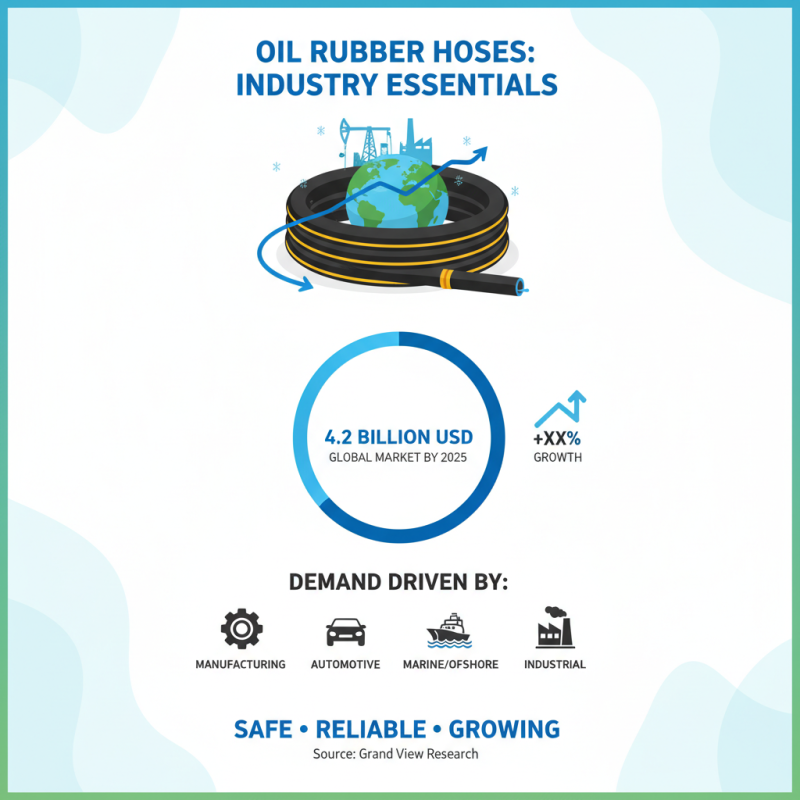
Oil Rubber Hose Usage by Industry
Performance Standards and Specifications for Oil Rubber Hoses
Oil rubber hoses are essential in various industrial applications, including oil transport, agriculture, and machinery. The performance standards for these hoses are critical. They determine how well a hose can handle extreme temperatures and pressures.
According to industry standards, such as those from the American Society for Testing and Materials (ASTM), hoses must withstand a burst pressure that is at least three times higher than their operational pressure.
Specifications often include details like flexibility and resistance to oil exposure. For example, a typical oil rubber hose should maintain its integrity at temperatures ranging from -40°F to 212°F. The resistance to ozone is also crucial. A significant percentage of hose failures stem from ozone damage. Proper selection of materials can help mitigate this risk, but many users overlook these factors.
Expectations can vary significantly among different users. Not all hoses meet every performance standard required for their specific applications. Some may fail prematurely under extreme conditions. Hence, understanding the specifications helps in choosing the right hose for the job. Poor choices can lead to leaks, which pose safety risks and economic losses. Regular inspections and adherence to guidelines are essential for ensuring longevity in oil rubber hoses.