How to Choose Fluorosilicone Hose for Your Application?
When selecting a Fluorosilicone Hose for your application, several important factors come into play. The materials in these hoses can withstand extreme temperatures and harsh chemicals. They offer durability in challenging environments, making them a popular choice in aerospace and automotive industries.
However, the selection process is not always straightforward. You must consider the specific requirements of your application. What temperature range are you working with? Will the hose encounter abrasive materials? Addressing these questions can help narrow your options.
Often, users overlook the importance of hose size and fittings. A poor fit can lead to leaks or failures. Understanding industry standards for Fluorosilicone Hose ensures you make an informed decision. Balancing all these factors may seem daunting, but careful evaluation is crucial for success. Don't rush the process, as the right choice can lead to improved efficiency and longevity.
Understanding Fluorosilicone Hose: Key Features and Benefits
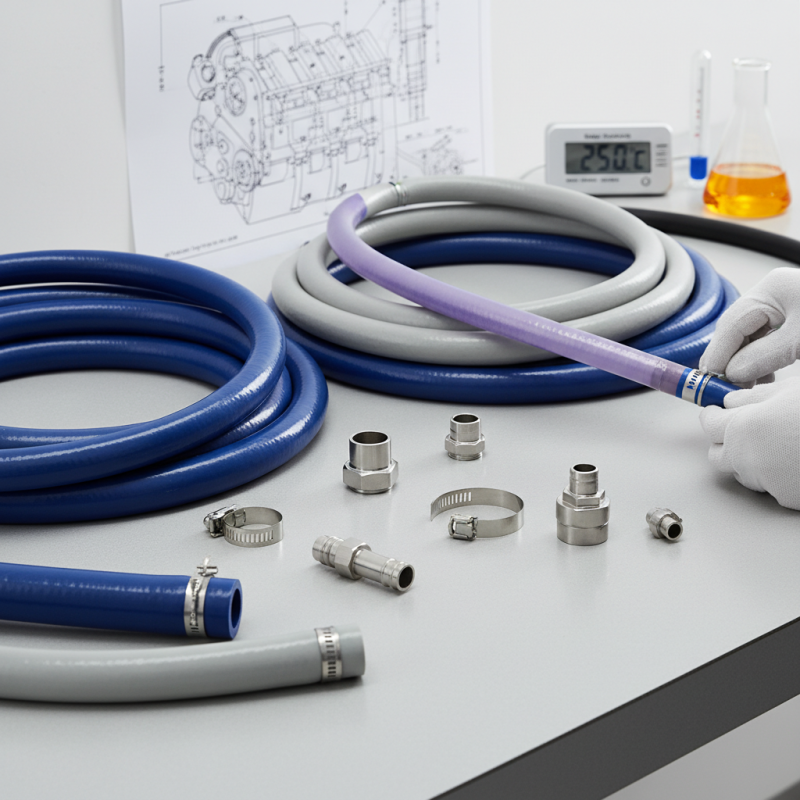
Fluorosilicone hoses have unique features that make them suitable for demanding applications. They offer excellent resistance to fuel and oil, along with high-temperature stability. This makes them ideal for automotive and aerospace industries. The hoses can handle extreme conditions without losing their integrity. Another significant benefit is their flexibility. They can bend easily without kinking, which prevents flow restrictions.
When selecting fluorosilicone hoses, consider the environment they'll be used in. High temperatures and harsh chemicals can damage inferior materials. Always check the specifications before making a choice. Understanding the pressure rating is also crucial. A hose that can't handle the required pressure may lead to leaks or failures.
**Tip:** Always test for leaks in a controlled setting before final installation.
Additionally, remember that not all fluorosilicone hoses are created equal. Some may wear down faster under certain conditions. Users should be mindful of the length and diameter too. Choosing the right size ensures optimal performance and durability.
**Tip:** Keep an eye on usage and maintenance; they can extend the hose's lifespan.
How to Choose Fluorosilicone Hose for Your Application?
| Feature |
Benefit |
Application |
| Chemical Resistance |
Withstands a wide range of chemicals including fuels and oils. |
Used in automotive and industrial applications. |
| Temperature Stability |
Remains flexible and durable in extreme temperatures. |
Ideal for aerospace and high-performance engines. |
| Low Compression Set |
Maintains shape under pressure, providing reliable sealing. |
Suitable for hydraulic and pneumatic systems. |
| UV and Ozone Resistance |
Prevents degradation from environmental exposure. |
Perfect for outdoor applications. |
| Flexibility |
Easily bends and moves without kinking. |
Used in tight spaces and complex routing. |
Identifying Specific Application Requirements for Hose Selection
When selecting fluorosilicone hoses, identifying specific application requirements is essential. Different applications demand unique properties. The temperature range, for instance, matters greatly.
Fluorosilicone hoses can typically withstand temperatures from -65°F to 500°F. This makes them suitable for aviation and automotive industries.
However, certain applications may experience higher or fluctuating temperatures. Evaluating these factors will ensure optimal performance.
Pressure ratings are also crucial. Many fluorosilicone hoses support pressure up to 300 psi. This is impressive, but not universal. Some environments may encounter spikes in pressure.
Thus, it’s vital to assess if the hose can handle such conditions consistently. According to industry reports, roughly 30% of hose failures are due to inadequate pressure tolerances.
Chemical resistance is another factor to consider, especially in industrial applications. Fluorosilicone hoses resist fuels and lubricants. However, they may not hold up well against certain solvents.
Therefore, consulting chemical compatibility charts is smart. Often, users overlook this step, resulting in costly issues. Each application is unique, and so are its requirements. Keep this in mind during the selection process.
Evaluating Temperature Tolerance and Chemical Compatibility
Selecting the right fluorosilicone hose is essential for specific applications. Evaluating temperature tolerance and chemical compatibility is critical. Fluorosilicone hoses can handle a temperature range of -67°F to 400°F. They are suitable for extreme environments. However, not all formulations are the same. Some might falter under thermal stress.
Chemical compatibility is another vital factor. These hoses resist various fluids, including fuels and oils. Yet, certain chemicals can degrade fluorosilicone. For instance, a report by the American Society for Testing and Materials (ASTM) indicates compatibility levels for common chemicals. Knowing these compatibility ratings helps in choosing the right hose.
It's crucial to analyze your application requirements. This includes pressure ratings and fluid types. Poor selection leads to premature failures. Studies show that inadequate compatibility information results in a 30% higher failure rate. Many operators overlook this aspect, leading to costly mistakes. Always seek robust data for effective decision-making.
Temperature Tolerance and Chemical Compatibility of Fluorosilicone Hoses
This chart evaluates the performance of various fluorosilicone hoses based on their temperature tolerance and chemical compatibility. Hose A, B, and C exhibit different levels of tolerance and compatibility, which are crucial for selecting the right hose for specific applications.
Sizing and Fitting Considerations for Optimal Hose Performance
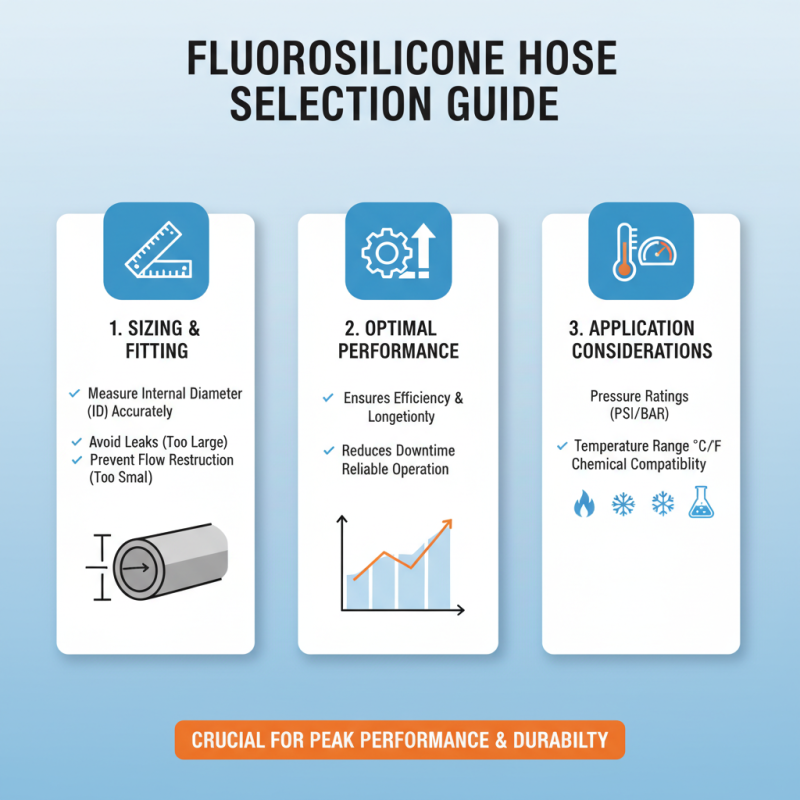
When selecting a fluorosilicone hose, sizing and fitting are crucial. The right size ensures optimal performance and longevity. Measure the internal diameter accurately. A hose that is too large will lead to leaks, while one that’s too small can restrict flow. Always consider the application’s pressure and temperature.
Tip: Use a caliper for precise measurements. This tool can provide accurate diameters, reducing the risk of making errors. Also, check fitting compatibility. The hose fitting should match your system perfectly. A mismatch can compromise the seal, causing issues down the line.
Fitting the hose requires careful planning. Ensure hoses are cut cleanly to avoid fraying. Inadequate fittings can lead to stress on the hose. This could ultimately shorten its lifespan. Use clamps that are suitably sized. Over-tightened or under-tightened clamps can also create problems.
Tip: Always test the connections before full deployment. Small leaks can often be detected early. This awareness can prevent larger, more costly issues later. Don’t rush assembly. Taking your time now will save headaches in the future.
Maintenance and Installation Tips for Fluorosilicone Hoses
When installing fluorosilicone hoses, attention to detail is crucial. Check for compatibility with your fluids and gases. The right size matters. Ensure the hose can withstand operational temperatures and pressures. Measure carefully before cutting. A small mistake can lead to failure.
During installation, avoid sharp bends. This can restrict flow and damage the hose. Use appropriate clamps to secure the connections. They should hold firmly but not overly tighten. Overdoing it may cause leaks. Regularly inspect the hoses for signs of wear. Cracking or swelling indicates the need for replacement. Maintenance can prolong the life of your hoses.
Cleaning is equally important. Use mild detergents and avoid harsh chemicals. Rinse thoroughly to prevent residue buildup. Remember, improper cleaning can lead to hose deterioration. Document your maintenance schedule. It can help track any recurring issues. With care, fluorosilicone hoses can serve well, but ignoring these tips may lead to regrets down the road.