How to Choose the Best Fluorosilicone Hose for Your Needs?
Choosing the right Fluorosilicone Hose can be critical for various applications. These hoses are known for their excellent resistance to heat and chemical exposure. When selecting a hose, consider the specific requirements of your project. The right material can enhance performance and longevity.
Factors such as diameter, length, and operating temperature are vital. Each project has unique needs, making this decision complex. A mismatch can lead to inefficient operation or even failure. Think carefully about the environment and conditions the hose will face.
Don’t overlook the importance of trusted suppliers. Their expertise can guide you to make an informed decision. Always verify the quality and specifications of the Fluorosilicone Hose. Reflect on past experiences and what worked or didn't. This reflection can be invaluable in making the best choice.
Understanding Fluorosilicone Hose and Its Applications
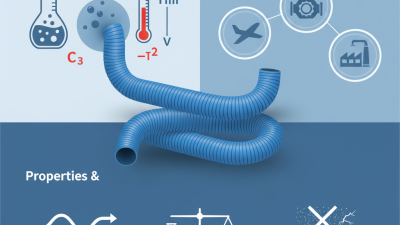
Fluorosilicone hoses are increasingly popular in various industries due to their unique properties. They provide superior resistance to fuels, oils, solvents, and extreme temperatures. This versatility makes them ideal for aerospace, automotive, and chemical processing applications. According to a recent industry report, the global fluorosilicone hose market is expected to reach $200 million by 2025, highlighting their growing relevance.
Understanding the specific application of a fluorosilicone hose is crucial. For instance, they are often used in high-performance environments where traditional materials may fail. They maintain flexibility in low temperatures while resisting chemical degradation. Additionally, their non-stick surface makes them easy to clean, which is essential for many manufacturing processes. However, not every fluorosilicone hose is created equal. Manufacturers may vary in terms of quality and specifications.
Consider these insights when selecting a hose. Assess the temperature range and chemical exposure specific to your setting. Confirm that the hose meets relevant standards. Be mindful of the pressure ratings, as exceeding them may lead to failure. Regular inspection and maintenance are also critical, as wear and tear can impact performance over time. The right choices can significantly affect your operational efficiency.
Key Factors to Consider When Selecting a Fluorosilicone Hose
When selecting a fluorosilicone hose, durability is crucial. Fluorosilicone hoses excel in resisting chemical damage and high temperatures. Ensure that the hose can withstand the environment it will face. Consider the temperature range, as extreme heat or cold can degrade materials over time. A hose that performs well in one condition may fail in another.
Also, pay attention to the hose's flexibility. A flexible hose allows for easier installation and routing in tight spaces. Evaluate the bend radius of the hose to ensure it will meet your specific needs without kinking. Check the wall thickness as well; it affects both strength and flexibility.
Compatibility with fluids is another important factor. Fluorosilicone hoses are known for their versatility, but not every type suits every fluid. Understanding the chemical properties of the fluids you’ll be using ensures a proper match. Testing is essential. Sometimes, what appears ideal on paper can be misleading. Keep all these considerations in mind to find the hose that best meets your unique requirements.
Comparing Different Types and Specifications of Fluorosilicone Hoses
Fluorosilicone hoses are crucial in various industries due to their unique properties. When selecting a fluorosilicone hose, consider the specific needs your application demands. Different grades of fluorosilicone provide varied resistance to chemicals and temperatures. Data from industry reports indicate that fluorosilicone can withstand temperatures ranging from -75°F to 400°F. This temperature range makes it suitable for high-performance applications.
Another critical factor is the size and flexibility of the hose. Flexibility affects installation and routing in tight spaces. Research shows that larger diameters may improve flow rates, while smaller diameters increase pressure. Additionally, the working pressure of the hose should match your system’s requirements. Some hoses can handle pressures up to 250 psi, but this is not universal across all options.
It’s essential to evaluate your operational environment as well. For instance, exposure to fuels or oils requires superior chemical resistance. Yet, not all fluorosilicone hoses are created equal in this regard. Each type offers a unique balance of flexibility, pressure rating, and chemical resistance. Assessing these specifications carefully ensures optimal selection. Remember, the ideal choice may not always be clear-cut, requiring a deeper analysis of your specific applications.
Assessing Quality and Performance Standards for Fluorosilicone Hoses
When selecting a fluorosilicone hose, quality and performance are paramount. Look for hoses that meet rigorous industry standards. These can include temperature resistance, chemical compatibility, and flexibility. Ensure the product has undergone thorough testing to guarantee durability. Inspect certifications from recognized standards organizations. High-quality hoses typically exhibit excellent resistance to oils and fuels. They also maintain their shape and integrity under extreme conditions.
Performance standards are equally important. Consider how the hose will be used. It must perform well in tough environments. Evaluate factors like pressure ratings and bending radii. A poorly chosen hose can lead to leaks and failures. Read reviews and seek recommendations for insight but don't rely on anecdotal evidence alone. Seek out technical data and product specifications. This information provides a clearer understanding of whether a hose meets your specific requirements.
While many products claim to be of high quality, it’s crucial to remain critical. Not all hoses live up to their marketing. Be cautious of shiny advertisements that lack detailed performance data. Reflect on past experiences with hoses, learning from any previous mistakes in selection. A thorough evaluation process can help you identify the best option suited for your needs.
Tips for Maintenance and Care of Fluorosilicone Hoses
Fluorosilicone hoses are known for their durability and resistance to extreme temperatures. Proper maintenance is crucial to extend their lifespan. Regularly inspect the hoses for cracks or wear. Look for signs of discoloration or stiffness. These may indicate that the hose is nearing the end of its life. A visual check can save you from unexpected failures.
Cleaning your fluorosilicone hoses is equally important. Use mild soap and water to remove dirt and oil. Avoid harsh chemicals that can degrade the material. Rinse thoroughly after cleaning. It's best to let them air dry completely. This prevents moisture from causing mold or mildew.
When storing hoses, keep them in a cool, dry place. Avoid sharp bends, as they can create weak points. If the hose is not in use for long periods, consider coiling it loosely. Remember, taking simple steps can prevent costly replacements. Regular maintenance not only ensures performance but also promotes safety in your operations. Revisit your maintenance habits periodically for the best outcomes.
Fluorosilicone Hose Performance Metrics