2026 How to Choose the Right Silicone Vacuum Hose for You?
Choosing the right Silicone Vacuum Hose can be a daunting task. With so many options, it’s easy to feel overwhelmed. Quality and compatibility often vary, leading to potential frustrations. A poor choice can cause leaks or inefficiencies, affecting your vacuum system's performance.
Selecting the right size is vital. Hoses come in various diameters and lengths. If the hose is too long or too short, it may impede suction. Consider the material quality as well. Some hoses resist heat or chemicals better than others.
Take your specific needs into account. Will you use the hose for home cleaning, industrial purposes, or both? Each setting may require different features. Seek options that provide flexibility, durability, and resilience. Ultimately, a thoughtful choice will enhance your vacuum experience. Make sure your Silicone Vacuum Hose truly fits your requirements. Reflect on how your choice impacts not just performance, but your overall satisfaction.
Understanding Silicone Vacuum Hoses: Key Features and Benefits
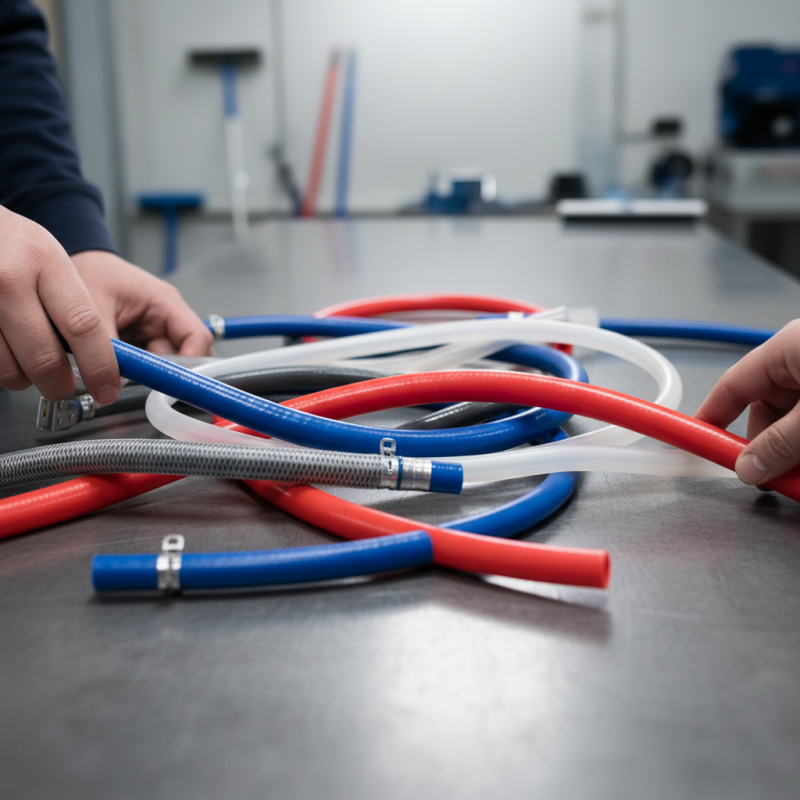
Silicone vacuum hoses have become a popular choice for various industrial applications. These hoses offer flexibility and durability, making them stand out in the marketplace. A report by the American Society of Mechanical Engineers found that silicone hoses can withstand temperatures ranging from -100°F to 500°F. This wide temperature range is crucial for ensuring performance across different environments.
Key features of silicone hoses include resistance to chemical degradation and UV exposure. They maintain integrity even when exposed to harsh substances. This durability leads to lower replacement costs over time. Additionally, silicone's non-stick surface facilitates easy cleaning. However, some may overlook the importance of proper sizing. Incorrect diameter can lead to diminished performance or even failure.
Choosing the right silicone vacuum hose requires careful consideration of these attributes. Proper understanding can significantly impact operational efficiency. Many professionals still underestimate the effects of hose length and bend radius. A report from the Flexible Hose Association indicated that improper bending can reduce airflow by up to 20%. Therefore, taking the time to analyze the specific needs of your application is essential.
2026 How to Choose the Right Silicone Vacuum Hose for You?
This chart illustrates the key features and benefits of different types of silicone vacuum hoses based on their diameter and flexibility ratings. Choosing the right silicone vacuum hose is crucial for efficiency and durability in various applications.
Identifying Your Application: What You Need from a Vacuum Hose
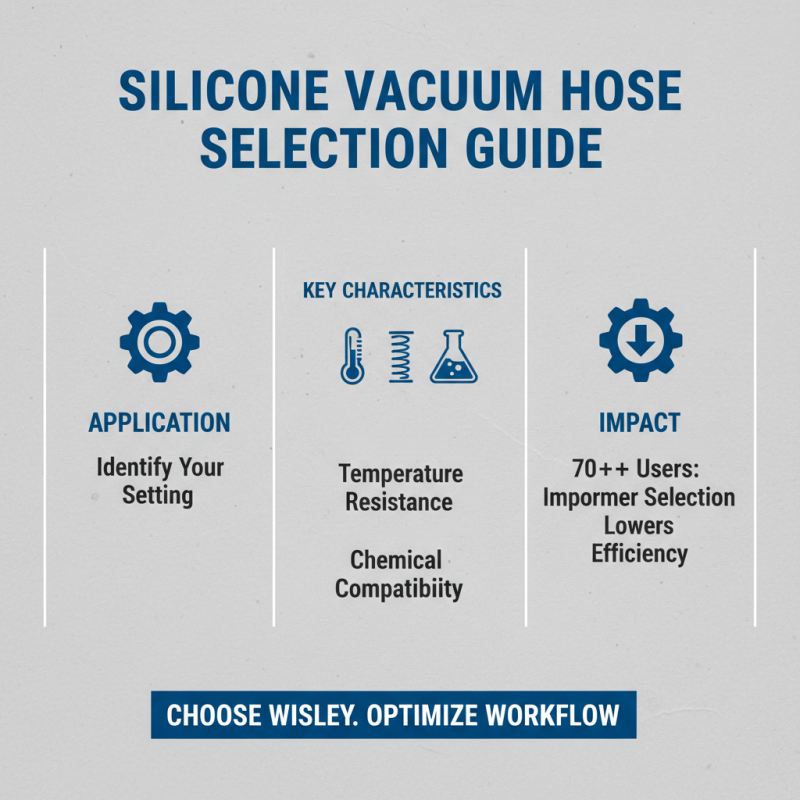
When choosing a silicone vacuum hose, identifying your application is crucial. Different settings require different characteristics. You need to consider temperature resistance, flexibility, and chemical compatibility. According to industry reports, more than 70% of users find that improper hose selection impacts their workflow efficiency.
For instance, in food processing, hoses must withstand cleaning agents and extreme temperatures. Statistics reveal that hoses can experience a temperature range of -60°F to 500°F, requiring precise selection. In contrast, applications in pharmaceuticals demand hoses certified for cleanliness and low extractables. This shows how varied the requirements can be.
However, many users overlook specific details. While flexibility is often emphasized, not all applications necessitate high flexibility. Some users choose overly flexible hoses, leading to inefficiencies in high-pressure environments. It's essential to reflect on your requirements and possible limitations. Assess your application carefully to ensure you pick a hose that meets your precise needs. This attention to detail can make a significant difference in performance.
Evaluating Compatibility: Size, Temperature, and Pressure Considerations
When choosing a silicone vacuum hose, compatibility is crucial.
Consider the size of your existing system. A correct fit ensures efficient operation. The diameter of the hose
should match your equipment precisely. Mismatches can lead to air leaks and pressure loss. According
to industry reports, even a 1 mm difference can significantly reduce
efficiency.
Temperature and pressure ratings are equally essential. Silicone hoses can handle a wide range of temperatures.
Some can function from -60°C to 200°C. However, always confirm the
specific requirements of your application. They also need to withstand the pressure demands. A hose rated for
low pressure may fail in high-pressure situations. This often results in costly downtime.
It’s easy to overlook these factors. Many users impulsively select hoses without thorough evaluation.
Research shows that improper hose selection leads to more than 30% of vacuum
system failures. Make sure you consult technical specifications. Seek
advice if needed. Balancing these features requires attention, but it’s crucial for reliable performance.
Remember, a well-chosen hose enhances functionality and prevents unforeseen challenges.
Comparing Materials: Why Silicone vs. Other Vacuum Hose Options
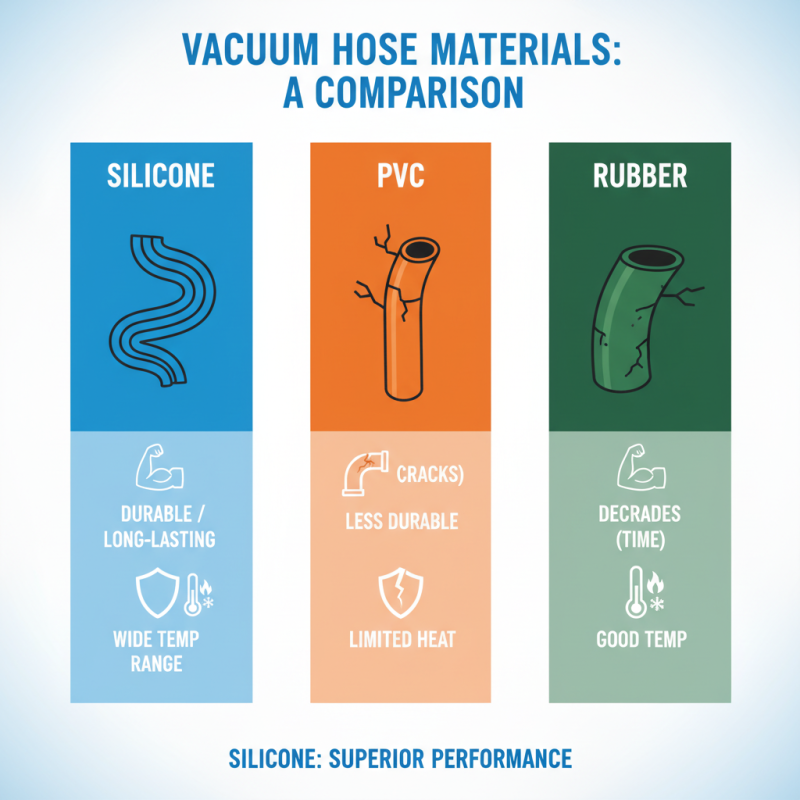
When it comes to vacuum hoses, material matters. Silicone hoses stand out for their flexibility and durability. They can handle a wide range of temperatures. In contrast, PVC hoses may crack under extreme heat. Rubber hoses are often sturdy but can degrade over time. Silicone, however, maintains its integrity, ensuring longevity.
Not all silicone hoses are created equal. Some may feel too soft or too thick for specific applications. It’s essential to assess your needs. What type of vacuum work are you doing? Are you dealing with hot materials or chemicals? These details will help you make the right choice. Other materials, like polyurethane, can offer similar benefits. Yet, they might not withstand heat as well as silicone.
If you’re torn between options, consider trying different hoses. A hands-on approach can reveal what feels best for your projects. Don't rush the selection process. Sometimes inexpensive options lure us in, but they might lack quality. Reflecting on past decisions can lead to better outcomes. A thoughtful evaluation of materials ensures you choose a vacuum hose that truly fits your needs.
Maintenance and Care: Ensuring Longevity of Your Silicone Vacuum Hose
Maintaining your silicone vacuum hose is essential for its longevity. Regularly check for any cracks or wear. These can compromise performance. Cleaning is also crucial. A simple rinse with warm soapy water can do wonders. Always ensure it's completely dry before storing.
Tips: Use a soft brush to remove debris. Avoid harsh chemicals. They can degrade the silicone material over time.
Storage matters too. Keep your hose in a cool, dry place. Avoid folding or kinking it, as this can cause issues later. If you notice any discoloration or stiffness, it might be time to replace your hose. Reflecting on these aspects can save time and money in the long run. Proper care pays off.
2026 How to Choose the Right Silicone Vacuum Hose for You?
| Feature |
Description |
Importance |
Maintenance Tips |
| Material Quality |
High-grade silicone offers flexibility and durability. |
High |
Avoid exposure to extreme temperatures. |
| Size Compatibility |
Ensure the diameter matches your vacuum's fittings. |
High |
Use adapters if mismatched sizes are found. |
| Temperature Resistance |
Ability to withstand high and low temperatures. |
Medium |
Monitor pressure to avoid overheating. |
| Flexibility |
Hoses should easily bend without kinking. |
High |
Store properly to maintain flexibility over time. |
| Resistance to Chemicals |
Hoses must resist damage from cleaning agents. |
Medium |
Rinse after use with chemicals to avoid degradation. |