2026 How to Choose the Best Fluorosilicone Hose for Your Needs?
Choosing the right Fluorosilicone Hose requires careful consideration. This specialized hose is known for its remarkable heat and chemical resistance. It is vital in many industries, including automotive and aerospace.
When selecting a Fluorosilicone Hose, assess your specific needs. Factors such as temperature range and chemical exposure matter greatly. Look for manufacturers with a reputation for quality and reliability. Not all hoses are created equally, and misinformation can lead to costly mistakes.
Understanding the application is crucial. Improper selection can result in failure, leading to downtime or even safety hazards. Do thorough research and consult with experts. Gaining insights can prevent unnecessary complications. Take the time to find the best fit for your requirements. This investment can save you future headaches.
Understanding Fluorosilicone Hose: Properties and Advantages
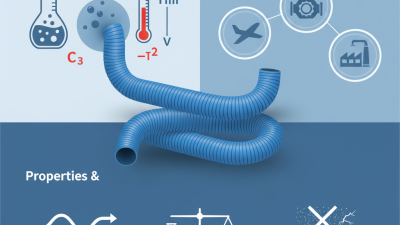
Fluorosilicone hoses are crucial for various industrial applications. Their robust properties stem from the combination of fluorocarbon and silicone compounds. This unique blend provides exceptional resistance to chemicals, oils, and extreme temperatures, making them ideal for challenging environments. In fact, according to recent industry reports, fluorosilicone hoses can withstand temperatures ranging from -60°F to 400°F (-51°C to 204°C) without compromising integrity.
The advantages of using fluorosilicone hoses extend beyond temperature tolerance. They demonstrate excellent flexibility and can handle dynamic movements. Many professionals in manufacturing have noted that these hoses help reduce maintenance efforts. However, despite their benefits, misconceptions about their performance can lead to poor choices. A common issue is selecting the wrong hose material for specific applications, which can result in premature failure.
It's vital to consider factors like chemical compatibility and application type when choosing a fluorosilicone hose. While these hoses offer outstanding durability, they are not infallible. Some users have reported difficulties in sourcing compatible fittings or concerns over installation processes. A thorough evaluation of these aspects can prevent unforeseen complications down the line.
Identifying Your Application Requirements for Fluorosilicone Hose
When selecting the right fluorosilicone hose for your needs, understanding application requirements is crucial. Fluorosilicone hoses excel in extreme conditions. They perform well in high temperatures and resist various chemicals. Identifying the specifics of your application helps in making the best choice.
Consider factors like temperature range and chemical exposure. Different industries have varying demands. For instance, aviation might require hose durability in harsher environments. Marine applications often need flexibility and corrosion resistance. Recognizing these needs can prevent costly errors.
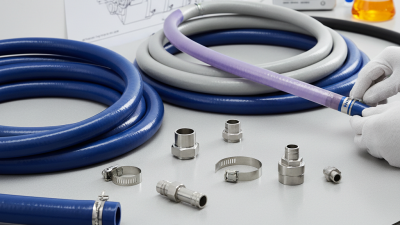
Another aspect to reflect on is the hose’s fittings and connector compatibility. Not all hoses fit all systems seamlessly. If connections are misaligned, the entire operation may suffer. It’s essential to gauge your setup accurately before purchasing. While the ideal hose may seem straightforward, subtle variations can have significant impacts on performance.
Key Features to Consider When Selecting a Fluorosilicone Hose
When selecting a fluorosilicone hose, several key features warrant careful consideration. Fluorosilicone hoses are renowned for their chemical resistance, particularly to fuels and solvents. The capability to withstand a wide temperature range, typically from -60°F to 450°F, adds to their appeal. These hoses are essential in industries like aerospace and automotive, where reliability is crucial. A study by the Society of Automotive Engineers indicates that improper hose selection can lead to equipment failure, underscoring the importance of informed decision-making.
Another critical aspect is the hose's flexibility and bend radius. These factors directly affect the installation process and operational efficiency. Thickness and inner diameter also matter, as they influence flow rate and pressure containment. A report from the American Institute of Chemical Engineers highlights that a mismatch in these dimensions can lead to leaks or performance issues. Thus, meticulous measurement and evaluation of operational requirements are necessary.
Tips: Remember to check the compatibility of the hose material with the fluids it will transport. Conduct periodic inspections for wear and potential degradation. A small oversight may lead to significant downtime or costly repairs. Being proactive can help maintain efficiency and extend the lifespan of your equipment.
Comparing Fluorosilicone Hose with Other Hose Materials
When comparing fluorosilicone hoses with other materials, several key factors stand out. Fluorosilicone is known for its exceptional thermal stability and chemical resistance. According to a recent industry report by the American Institute of Chemical Engineers, fluorosilicone can withstand temperatures ranging from -65°F to 400°F. This makes it a viable option in extreme conditions. In contrast, traditional rubber hoses may fail under high temperatures or exposure to certain chemicals.
Durability is another significant advantage. Fluorosilicone hoses resist ozone and UV degradation, extending their lifespan compared to other materials. For example, a study published in the Journal of Polymer Science noted that fluorosilicone hoses exhibited 80% less wear than standard silicone hoses in similar environments. However, while these hoses offer numerous benefits, they are often more expensive than alternatives like PVC and standard rubber. This can be a critical consideration when weighing cost versus performance.
Additionally, the flexibility of fluorosilicone hoses facilitates installation in tight spaces. Their low permeability reduces fuel vapor emissions, aligning with stringent environmental regulations. Yet, some users report challenges with ensuring proper fittings, which can lead to leaks if not addressed. Balancing these strengths and weaknesses is essential when selecting the best hose for specific applications.
Maintenance Tips for Longevity of Fluorosilicone Hoses
Fluorosilicone hoses require careful maintenance for longevity. Regular inspections are essential. Look for signs of wear or cracking. These issues can lead to significant problems. Keep the hoses clean to avoid the buildup of dirt and chemicals. A simple wipe with a soft cloth can do wonders.
Storage is another important factor. Store hoses in a cool, dry place. Avoid direct sunlight to prevent degradation. Flexibility can decrease if they are stored improperly. When using the hoses, ensure you do not exceed their recommended pressure limits. Doing so can compromise their integrity over time.
Review your usage regularly. If the hoses are bending or twisting, they may need to be repositioned. Adapt your maintenance routine based on your environment. Humidity and temperature can affect performance, so stay vigilant. Attention to these details can help ensure your fluorosilicone hoses last longer, performing their best when you need them.
2026 How to Choose the Best Fluorosilicone Hose for Your Needs? - Maintenance Tips for Longevity of Fluorosilicone Hoses
| Property |
Description |
Recommended Use |
Maintenance Tips |
| Temperature Resistance |
Can withstand temperatures from -65°F to 400°F |
Ideal for high-temperature applications |
Regularly check for wear and tear in high-heat areas |
| Chemical Resistance |
Resistant to oils, fuels, and other chemicals |
Suitable for automotive and industrial environments |
Avoid exposure to incompatible chemicals |
| Flexibility |
Highly flexible for easy installation in tight spaces |
Helpful for complex engine layouts |
Ensure hoses are not kinked during installation |
| Durability |
Long-lasting material with high abrasion resistance |
Perfect for harsh working conditions |
Inspect hoses regularly for cuts or signs of fatigue |
| Pressure Rating |
Can handle pressures up to 300 PSI |
Excellent for high-pressure applications |
Avoid exceeding the specified pressure limit |