How to Choose Rubber Hose for Heat Resistance?
Choosing the right rubber hose for heat resistance is crucial in various industries. According to a recent industry report by Market Research Future, the rubber hose market is expected to grow significantly, driven by the rising demand in automotive and manufacturing sectors. The importance of heat resistance in rubber hoses cannot be overstated. In the words of Dr. Emily Carson, an expert in polymer science, “Rubber Hose Heat Resistance directly influences the longevity and performance of industrial applications.”
Selecting the appropriate rubber hose involves understanding its heat resistance capabilities. For instance, hoses used in high-temperature environments require specialized materials like silicone or fluoropolymer blends. These materials can withstand extreme heat and prevent degradation over time. However, many users often overlook the maximum temperature ratings specified by manufacturers, leading to premature hose failure.
The complexity of rubber formulations and their heat resistance properties can also be difficult to navigate. Some hoses may perform well initially but fail quickly under constant exposure to heat. It is essential to choose a hose that meets specific operational requirements, taking into account temperature fluctuations. Inadequate research may lead to costly replacements and downtime, impacting overall productivity.
Understanding Heat Resistance Requirements for Rubber Hoses
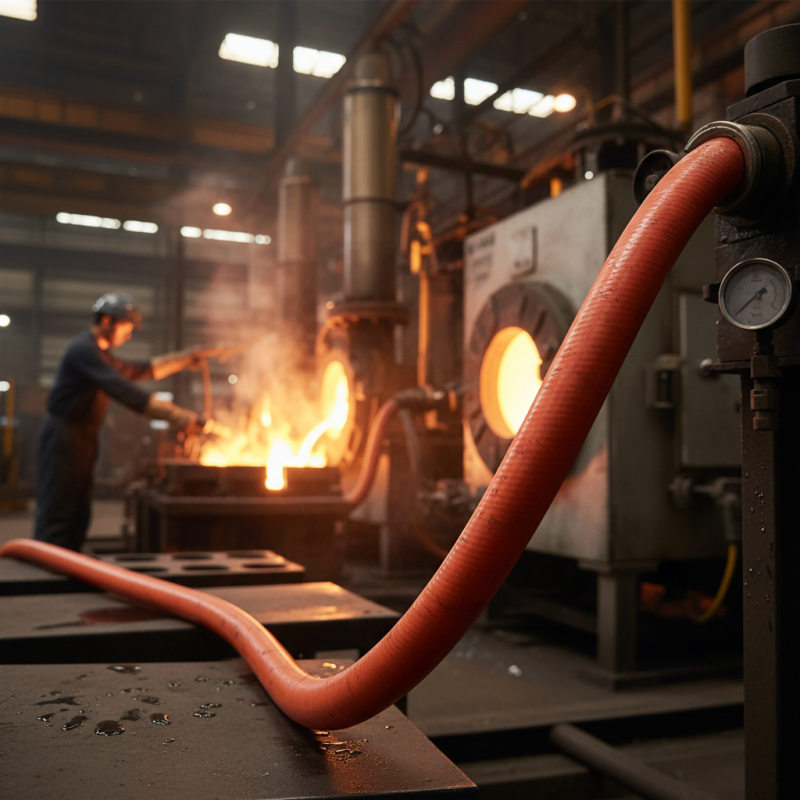
When selecting rubber hoses for heat resistance, understanding the specific requirements is crucial. Different applications demand various levels of heat endurance. For example, hoses used in industrial settings often encounter elevated temperatures. In such cases, the choice of rubber material becomes essential. Natural rubber might not suffice for high-heat scenarios. Instead, synthetic options like silicone or EPDM may offer better durability under heat.
It's worth noting that temperature ratings can vary significantly between hose types. Pay attention to the manufacturer's specifications, but also be aware that testing can sometimes reveal discrepancies. Not all hoses perform as expected when exposed to extreme temperatures for prolonged periods. Regular inspection and maintenance may uncover weaknesses that aren't immediately evident. Consider operational conditions, too. Is the hose exposed to direct sunlight? That can impact its longevity.
Ultimately, it’s important to match the hose to its intended use. What works in one situation may not in another. Think about the environment and the heat source. Will the hose be near a furnace or machinery? Remember, the right choice is about balancing heat resistance requirements with the unique challenges of each application. Reflect on these factors carefully to ensure optimal performance.
Types of Rubber Hoses Suitable for High Temperatures
When selecting rubber hoses for high temperatures, consider the different types available.
Silicone hoses are popular due to their excellent heat resistance. They can handle temperatures from -50°C up to 200°C. Another option is EPDM rubber, which performs well in steam applications and has good ozone resistance.
Nitrile hoses are a choice for oil and fuel transportation at moderate temperatures. However, they may not cope well under extreme heat. Some users have found that insufficient testing leads to unexpected failures. It's crucial to consider the specific environment where the hose will be used.
Tips: Always check the temperature ratings. You cannot rely on assumptions alone. Conduct testing under real conditions if possible.
Reinforced hoses can offer increased durability. Look for hoses with fabric braids or spirals for added strength. However, not all reinforced hoses are suitable for high temperatures. Some may show wear and tear quickly. Always read the specifications carefully. What's advertised may not always match the performance in real life.
Key Factors to Consider When Selecting Heat-Resistant Rubber Hoses
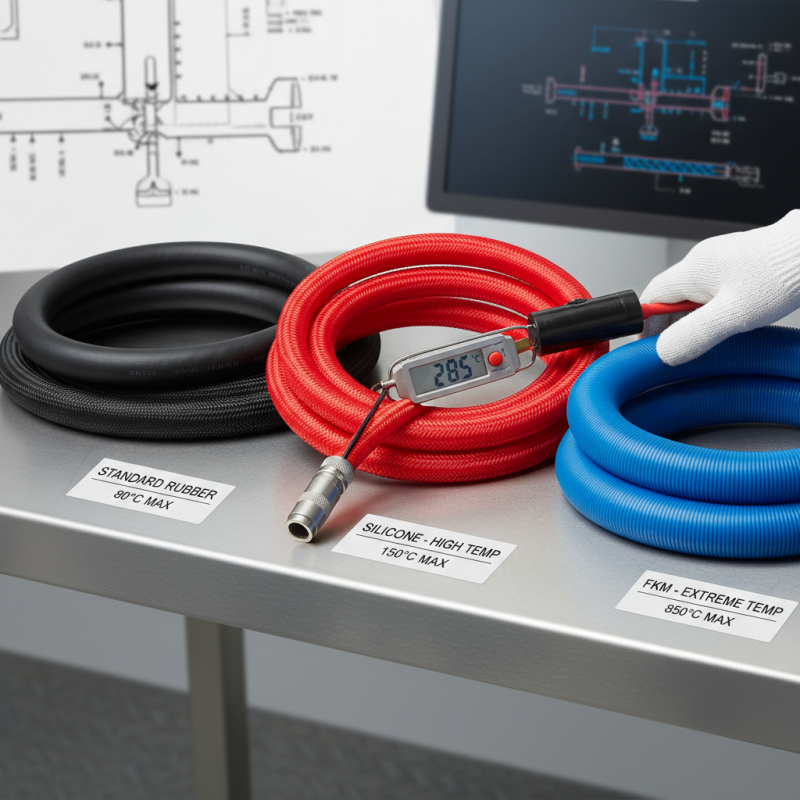
Choosing the right rubber hose for heat resistance involves several crucial factors. First, consider the temperature range your application requires. Each type of rubber withstands heat differently. For example, silicone hoses manage higher temperatures than standard rubber. Ensure the hose you select can handle the specific heat exposure.
Next, examine the hose's construction. A multi-layer design often enhances durability and flexibility. Some hoses are reinforced with fabric for added strength. Pay attention to the type of reinforcement as it may affect heat resistance. Additionally, assess the environment where the hose will be used. Extreme conditions may require special considerations.
Lastly, don’t overlook compatibility with fluids. Some hoses degrade when in contact with certain substances. Testing for chemical resistance can help avoid failures. Always consult technical specifications to ensure proper selection. Remember, choosing incorrectly can lead to costly downtime or safety hazards. Reflect on your choices and gather feedback. This can guide future decisions on heat-resistant hoses.
Testing and Certification Standards for Heat-Resistant Hoses
When selecting heat-resistant hoses, understanding testing and certification standards is crucial. These standards ensure safety and performance under extreme conditions. Common tests include temperature resistance, pressure durability, and flexibility. Hoses must withstand high heat without deforming or degrading.
Not all hoses undergo rigorous testing. Some may only meet basic quality checks. This lack of thorough testing can lead to failures in high-temperature applications. Inspecting certifications helps to mitigate risks. Look for hoses tested by recognized bodies on heat resistance.
It's important to consider the specific requirements for your application. Different environments demand unique materials. Not every hose will be suitable for a particular heat level. Evaluate insulation options and temperature tolerances. Thoughtful decision-making can prevent costly errors later on.
Maintenance Tips to Enhance the Longevity of Heat-Resistant Hoses
Maintaining heat-resistant hoses is crucial for their longevity. Regular inspections can identify issues early. Look for cracks or signs of wear. A small crack can lead to significant problems. Pay attention to the hose's connections too. Loose fittings may cause leaks. Tighten them carefully to avoid damage.
Cleaning is also essential. Use mild soap and water to remove dirt and debris. Avoid harsh chemicals that may degrade the material. Rinsing thoroughly is vital to prevent residue build-up. Store hoses in a cool, dry place when not in use. Extreme temperatures can affect their durability.
Visual inspections should be done often. Yet, it's easy to overlook small details. Don’t skip these checks. Keep a maintenance log to track the condition over time. This record can highlight patterns that signal wear. Remember, a little attention goes a long way.
Heat Resistance Performance of Different Rubber Hoses