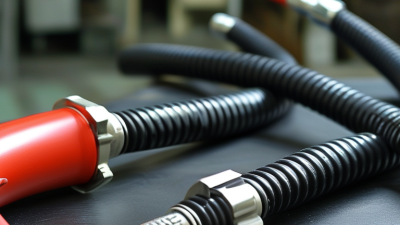
China Top Silicone Hose For Turbo Manufacturers?
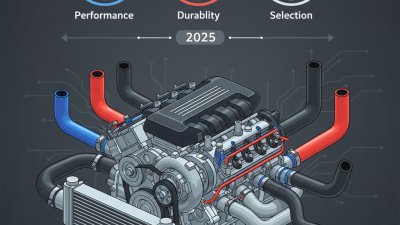
The global turbocharger market is evolving under tighter emissions rules, stronger downsizing trends, and rising thermal loads. Grand View Research estimates that the automotive turbocharger market could grow steadily through 2030. Its analysis highlights demand for lightweight, durable, and heat-resistant engine components. That pressure places the Silicone Hose For Turbo under closer technical review.
A turbo hose is not merely a flexible connector. It must withstand boost pressure, oil mist, vibration, and repeated heat cycles. In a compact engine bay, the hose may sit beside a glowing exhaust manifold. Weak reinforcement can cause swelling, cracking, or sudden boost loss. The result may appear small. The repair bill may not be.
Corky Bell, author of Maximum Boost, wrote, “A turbocharger is an exhaust-driven air pump.” His practical view remains valuable. More airflow also creates more heat and stress. Therefore, hose selection should match the complete system, not only the advertised pressure rating. SAE technical literature similarly emphasizes material compatibility, clamp performance, fatigue resistance, and thermal durability in forced-induction systems.
This outline examines silicone grades, reinforcement layers, inner diameters, bend radius, pressure testing, and installation quality. It also compares suppliers using evidence from laboratory reports, product datasheets, and field experience. Some catalog claims deserve skepticism. A high-temperature label does not guarantee long service life. Real performance depends on temperature peaks, installation tension, oil exposure, and maintenance habits. Those details are easy to overlook. They often decide whether a Silicone Hose For Turbo survives one season or several years.

What Are Silicone Turbo Hoses and How Do They Work?
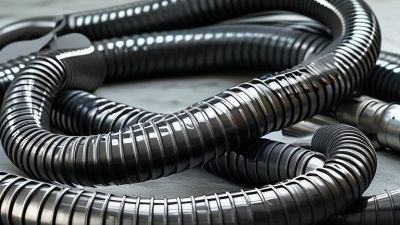
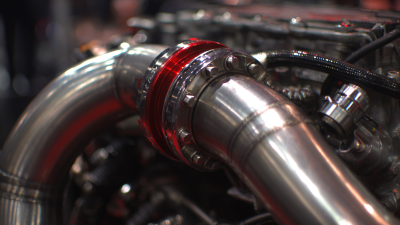
A silicone turbo hose connects the turbocharger, intercooler, and engine intake. It carries compressed air under heat and pressure. Silicone layers provide flexibility, while internal reinforcement improves strength. A smooth inner surface can support steady airflow. The hose must also resist oil mist, vibration, and repeated temperature changes. Without proper support, even a strong hose may rub against nearby metal parts.
In practical inspections, I check for soft spots, surface cracks, swelling, and loose clamps. A good hose should keep its shape when squeezed lightly. It should not feel sticky or brittle. Correct diameter matters greatly. A small mismatch can create leaks, while excessive tightening may damage the silicone. I have seen hoses fail because installation ignored engine movement. Material quality matters, but fitment is often overlooked.
Tips: Measure each connection carefully. Use suitable clamps. Keep the hose away from sharp edges and exhaust heat. Inspect it after several drives, especially after heavy acceleration. If the surface shows unusual expansion, stop and investigate. Do not rely only on appearance. Pressure testing can reveal small leaks that casual checks miss. Temperature ratings also deserve attention, although real engine conditions can be less predictable than specifications suggest.
Why Choose Chinese Manufacturers for Silicone Turbo Hoses?
Chinese manufacturers have become a practical choice for silicone turbo hoses because they combine production experience, material knowledge, and flexible engineering support. Many factories have spent years producing hoses for passenger vehicles, trucks, construction equipment, and modified applications. Their engineers understand how heat, vibration, oil mist, and repeated pressure affect silicone tubing inside an engine bay.
Quality starts with the compound. Reliable manufacturers select heat-resistant silicone and reinforce hoses with polyester or aramid fabric. They control wall thickness, inner diameter, curing time, and layer alignment during production.
Some facilities test hoses with pressure cycles, heat aging, burst resistance, and dimensional checks. A finished hose should fit firmly, without twisted bends or exposed reinforcement. Small details matter.
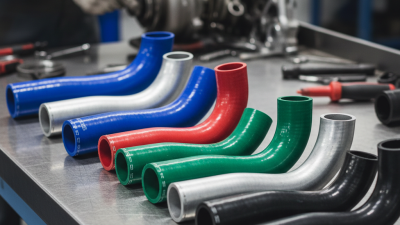
Chinese suppliers also offer practical customization. They can adjust bend angles, reducers, wall thickness, color, and connection lengths for different turbo layouts. Tooling and sample development are often faster because design, molding, and inspection teams work closely together.
However, the process is not flawless. A low quotation may hide weaker fabric or inconsistent curing. Buyers should request material data, sample approval, inspection records, and traceable batch information. Clear drawings help prevent costly misunderstandings.
A good supplier welcomes technical questions, records deviations, and corrects them instead of blaming installation. That response reveals more than a polished catalog.
How Are Silicone Turbo Hoses Designed and Manufactured?
How Are Silicone Turbo Hoses Designed and Manufactured?
Silicone turbo hoses begin with engine data, not a simple tube shape. Engineers map boost pressure, airflow, temperature, vibration, and nearby heat sources. A 2024 MarketsandMarkets report projects the automotive turbocharger market to grow at roughly 8% annually through 2029. That growth increases demand for stable charge-air connections. Designers usually select high-temperature silicone rubber with polyester or aramid reinforcement. Each fabric layer controls expansion and improves burst resistance. The hose must bend without collapsing.
Manufacturing starts with a mandrel, silicone layers, and carefully aligned reinforcement fabric. Workers roll the material around the mandrel, remove trapped air, and cure it in a controlled oven. Typical service designs target continuous temperatures near 180°C, while short heat spikes may run higher. Exact limits depend on compound, wall thickness, and reinforcement. Grand View Research’s 2024 silicone elastomers report identifies automotive applications as a significant demand area, supporting continued material development.
Testing is less glamorous, but it decides reliability. Pressure cycling, vacuum collapse, heat aging, ozone exposure, and clamp-load tests reveal weak points. SAE J20 guidance is often used when evaluating coolant and rubber hose performance, although turbo applications may require additional testing. I have seen failures caused by poor routing, not poor silicone. A hose can look perfect. Then, engine movement rubs it against a bracket for months. Manufacturers should inspect dimensional variation and surface damage at every batch. No design is flawless. Real engines remain unpredictable.
What Quality Standards Should Turbo Hose Manufacturers Meet?
Turbo hose manufacturers should meet clear, verifiable quality standards before production begins.
The silicone compound must tolerate high temperatures, pressure pulses, vibration, and exposure to oil mist. Reinforcement layers should remain stable during repeated flexing. A reliable factory tests tensile strength, hardness, elongation, burst pressure, and heat aging. Dimensional checks also matter. A hose that looks perfect may still fit poorly.
Manufacturers should follow recognized quality systems, such as ISO 9001, and provide traceable inspection records. Where applicable, testing can reference automotive hose standards, including SAE J20 requirements. Each batch should have recorded material codes, curing conditions, and test results. Pressure testing should identify leaks, swelling, and separation between layers. From practical experience, production consistency is often harder than making one excellent sample. That weakness deserves honest review.
Tips:
Ask for recent test reports, not attractive certificates alone. Confirm the operating temperature and pressure range in writing. Check inner diameter, wall thickness, and bend radius with actual samples. Request aging tests that reflect turbocharger conditions. Also inspect packaging, because crushed bends can damage hose structure before installation. No process is flawless. Continuous feedback from installers and vehicle testing remains necessary.
How Can Buyers Select the Right Chinese Silicone Hose Manufacturer?
Selecting the right Chinese silicone hose manufacturer requires more than comparing unit prices. China produced 31.28 million vehicles in 2024, according to the China Association of Automobile Manufacturers. This scale supports strong engineering capacity, but not every factory serves turbo applications.
Ask for compound specifications, not vague “high-temperature silicone.” The supplier should state silicone grade, reinforcement layers, operating temperature, burst pressure, and oil-resistance results. For turbo systems, request test data after heat aging, pressure cycling, ozone exposure, and clamp compression. ISO 1817-based oil testing can reveal swelling that visual inspection misses. Small details matter.
Review production evidence. Check whether the factory controls mixing, extrusion, curing, trimming, and final inspection internally. Ask for batch traceability, dimensional records, and sample approval documents. A supplier with ISO 9001 certification may have better process discipline, but certification alone proves little. Inspect the actual records. The 2024 CAAM report also recorded 5.86 million vehicle exports, increasing demand for consistent aftermarket and original-equipment components. That does not guarantee quality.
Request a pilot order before committing to tooling. Measure inner diameter, wall thickness, hardness, and collapse resistance at your working temperature. We once treated a clean surface as a quality signal; that was a weak assumption. Confirm delivery capacity, mold ownership, nonconforming-product handling, and communication speed. A technically strong factory that cannot explain failure data remains a risky choice.
How Buyers Can Select the Right Chinese Silicone Hose Manufacturer for Turbo Applications
Typical continuous service-temperature ranges show why silicone is commonly selected for turbo and charge-air systems. Buyers should confirm the supplier’s actual test reports, pressure rating, reinforcement structure, dimensional tolerance, material traceability, and quality-control process for the intended application.