Best Silicone Intake Hose for Optimal Engine Performance?
Choosing the best Silicone Intake Hose is crucial for your engine's health. This component plays a key role in airflow and performance. A high-quality hose helps maintain the right air-fuel mixture, enhancing engine efficiency.
Investing in a robust Silicone Intake Hose can lead to notable performance improvements. It resists heat and wear better than traditional materials. This often translates to more horsepower and better throttle response.
However, not all silicone hoses are created equal. It's important to consider factors like design and durability. Some cheaper options may not offer the same benefits. You might find that a seemingly simple choice needs careful consideration. Always examine your options thoroughly to ensure the best performance for your engine.
Understanding Silicone Intake Hoses and Their Role in Engine Performance
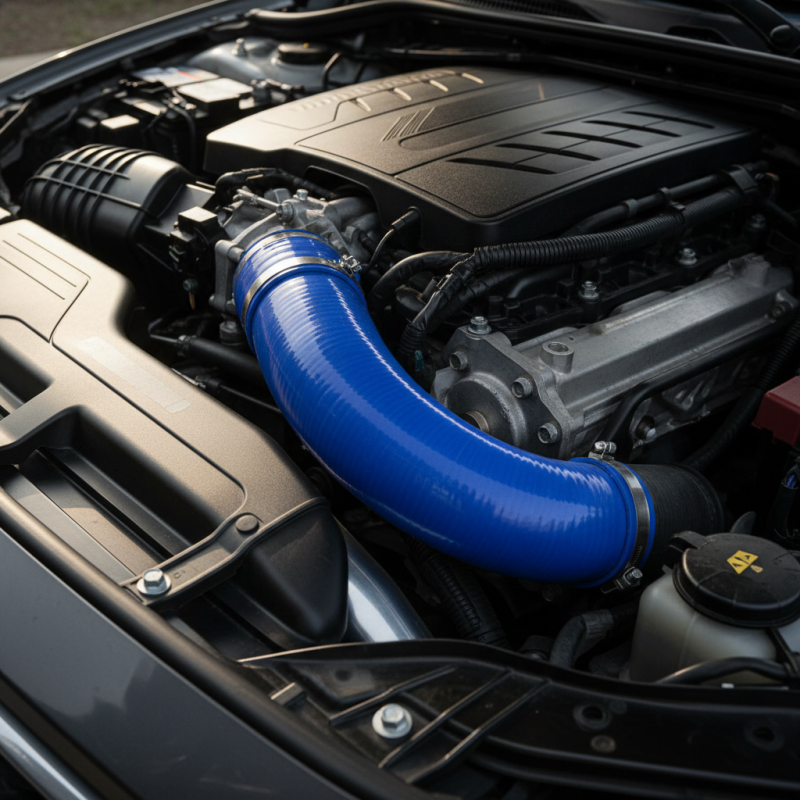
Silicone intake hoses are crucial for enhancing engine performance. These hoses replace factory plastic parts that often degrade over time. They provide better airflow and can handle higher temperatures. A well-designed silicone hose can improve throttle response and boost power. However, not all silicone hoses are created equal, and choosing the right one requires careful consideration.
Their flexibility allows them to be installed in tight spaces, which is beneficial in many engine layouts. However, some users find that improper installation can lead to leaks. A leak can cause a drop in performance and even engine stalling. Additionally, not every silicone hose perfectly fits all vehicles. Customization might be necessary for optimal results.
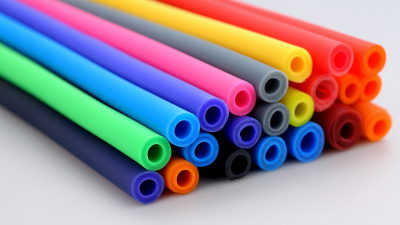
Silicone intake hoses can be visually appealing with a variety of colors. But aesthetics shouldn’t overshadow functionality. Some hoses may not perform well under extreme conditions. Users should verify material quality to avoid unnecessary repairs. Testing and comparison are vital in choosing a silicone hose that truly enhances engine performance.
Key Features to Look for in a High-Quality Silicone Intake Hose
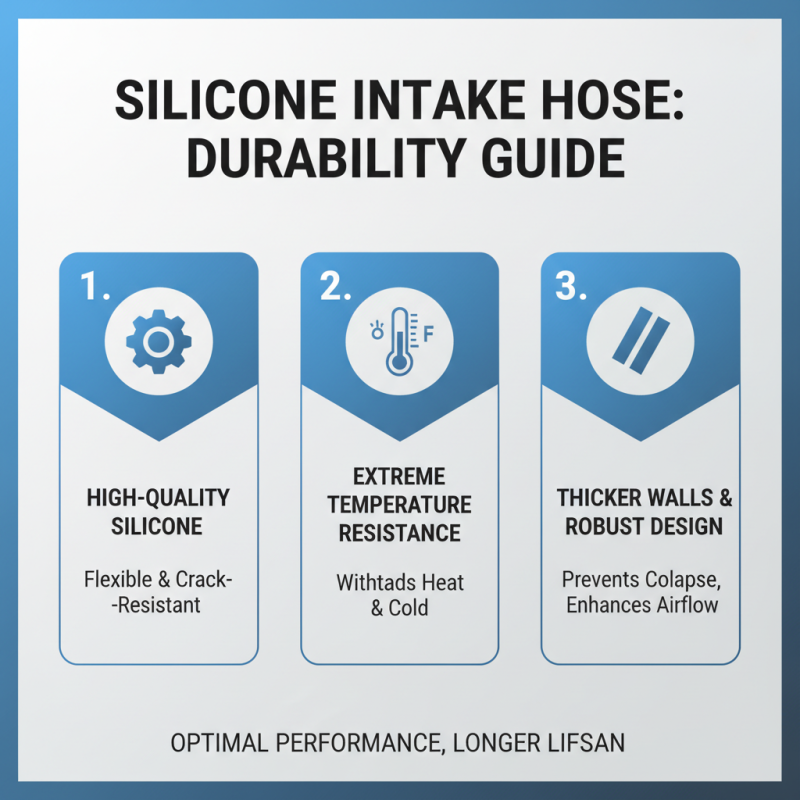
When choosing a silicone intake hose, focus on durability. Look for hoses made from high-quality, flexible silicone. This material can withstand extreme temperatures and resist cracking. Thicker walls often enhance the hose's lifespan too. A robust design is crucial, as it supports optimal airflow and prevents collapsing under pressure.
Consider the hose's size and fit. A perfect match for your engine is essential. An ill-fitting hose can cause air leaks. This could lead to performance issues. Also, smooth internal surfaces reduce airflow resistance. This small feature can make a significant difference in your engine's efficiency.
Don’t overlook the color options. While this might seem trivial, selecting a color can affect your engine bay's aesthetics. Attractive visuals can motivate you to maintain your car better. It's vital to reflect on how these choices impact overall performance. A blend of functionality and style creates a satisfying driving experience.
Comparing Performance: Silicone Intake Hoses vs. Rubber Hoses
When comparing silicone intake hoses to traditional rubber hoses, performance is a critical factor. Research shows that silicone hoses can withstand higher temperatures, up to 500°F, while rubber hoses typically operate safely around 250°F. This thermal resistance can lead to more stable performance in high-stress environments.
Another key difference is flexibility. Silicone hoses are more flexible than rubber. This flexibility can prevent cracking and wear, especially in dynamic applications where constant movement occurs. However, this characteristic can also mean that silicone hoses may not fit as snugly in all applications, potentially leading to air leaks. Ensuring a proper fit is essential for maintaining optimal air intake and engine performance.
Moreover, silicone hoses often have a longer lifespan, typically outlasting rubber by 3 to 5 years. But this durability can come with a trade-off: a higher initial cost. This price increase may deter some users, despite potential long-term savings from reduced maintenance. Ultimately, choosing the right hose involves balancing performance needs with budget considerations. Reflecting on these factors can lead to better choices for engine optimization.
Installation Tips for Optimizing Silicone Intake Hose Benefits
Choosing the right silicone intake hose can significantly enhance engine performance. However, the installation process is just as important. Proper installation ensures that the hose fits securely and seals properly. Any gaps or loose fittings can lead to air leaks, which affect overall efficiency. When you install the hose, use high-quality clamps that provide a tight grip. A loose clamp can lead to issues down the line.
Before starting, ensure that the engine is cool to avoid burns. Clean the intake area thoroughly. Residues can hinder the hose's effectiveness. Take your time to align the hose correctly. A bent or twisted hose can restrict airflow and decrease performance. Double-check that all connections are secure, but avoid over-tightening. This could damage the hose or the intake manifold.
After installation, take the car for a test drive. Listen for any unusual sounds or vibrations. A well-installed hose should enhance throttle response and overall power. If you notice a drop in performance, consider revisiting the installation. Sometimes, a second look can reveal overlooked misalignments. Finding the perfect balance while installing the silicone intake hose takes reflection and practice.
Maintaining Your Silicone Intake Hose for Longevity and Efficiency
Silicone intake hoses are essential for maintaining engine performance. They resist heat and provide flexibility. However, regular maintenance is crucial for longevity. Cleaning the hoses can prevent buildup. This ensures optimal airflow, which helps your engine run smoothly.
Inspecting the hoses for cracks or damage is important. Over time, even silicone can wear out. Look for signs of brittleness or discoloration. Replacing damaged hoses can save you from bigger issues down the line. Ideally, check them every few months.
Using a soft brush and mild cleaner is effective. Avoid harsh chemicals that can degrade silicone. After cleaning, ensure the hoses are installed correctly. Improper installation can lead to leaks. This negates all the benefits of high-quality silicone hoses. Take time to ensure every detail is perfect for optimal performance.
Performance Impact of Different Silicone Intake Hoses
This bar chart illustrates the horsepower increases achieved by using different types of silicone intake hoses. The high-performance silicone intake hose shows the greatest increase in horsepower, suggesting optimal engine performance when properly maintained.