Best Automotive Silicone Hose Options for Global Buyers?
In recent years, the automotive industry has seen significant advancements in materials used for vehicle components. Among these, the Automotive Silicone Hose stands out for its exceptional performance. Reports indicate that the global automotive silicone market is projected to grow at a CAGR of 4.5% from 2023 to 2028. This growth is driven by rising demand for durable and heat-resistant hoses in high-performance vehicles.
Silicone hoses are preferred for their resilience and flexibility. Unlike traditional rubber hoses, silicone withstands extreme temperatures and harsh chemicals. A study from the international automotive materials association highlights that silicone hoses can last up to 5 times longer than their rubber counterparts. This durability leads to reduced maintenance costs, appealing to both manufacturers and consumers.
However, the selection of the best automotive silicone hose can be challenging. Not all hoses on the market meet the same quality standards. Buyers must consider factors such as temperature tolerance, pressure ratings, and compatibility with various automotive fluids. While silicone hoses generally offer enhanced longevity, some options may fall short in specific applications. Therefore, it’s crucial for buyers to conduct thorough research and seek expert opinions to make well-informed decisions.
Key Features of Automotive Silicone Hoses
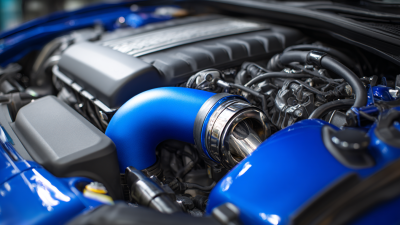
Automotive silicone hoses are essential components in modern vehicles. They are known for their durability and flexibility. These hoses can withstand extreme temperatures and pressures. This makes them suitable for various applications, including cooling and intake systems. Their resistance to chemicals and UV rays adds to their reliability, especially in harsh environments.
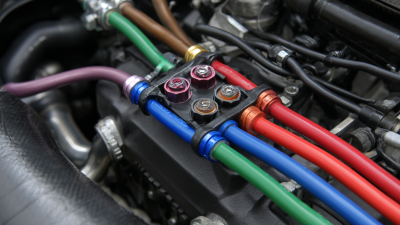
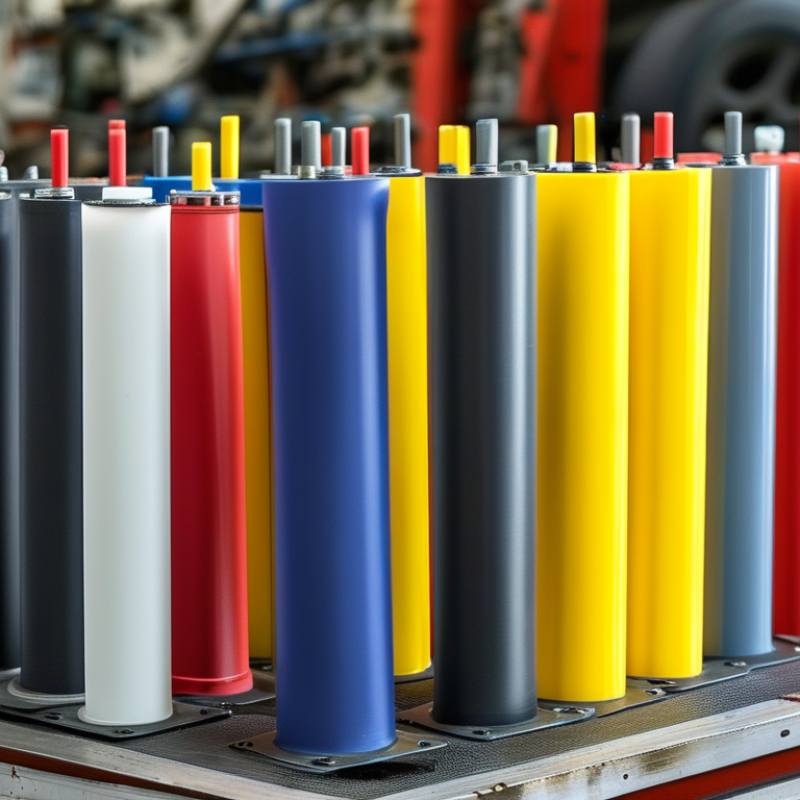
One key feature is their superior heat resistance. Silicone hoses can handle temperatures from -65°F to 350°F. This range ensures they perform well in diverse conditions. Additionally, they are lightweight compared to traditional rubber hoses. This weight reduction can improve engine efficiency. Many users appreciate the vibrant colors available in silicone hoses, which allow for customization under the hood.
However, not all silicone hoses are created equal. Some may lack the strength required for high-performance applications. Buyers should pay attention to the thickness and construction of the hoses. Thin hoses can be prone to collapse under pressure. Always prioritize quality to avoid unexpected failures. It's essential to research options thoroughly and read reviews from experienced users. This approach will help ensure the best choice for reliable performance.
Types of Silicone Hoses for Automotive Applications
When choosing silicone hoses for automotive applications, it's crucial to understand the types available. Silicone hoses can withstand extreme temperatures and pressures. This makes them popular for various automotive uses. They are often found in cooling systems, intake systems, and even turbo applications.
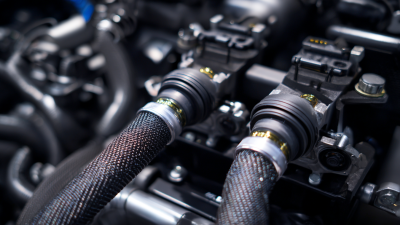
There are several types of silicone hoses, including straight hoses, elbows, and reducers. Straight hoses are typically used for connecting components directly. Elbows allow for direction changes in tight spaces. Reducers help maintain airflow while transitioning between different sizes. Each type serves a specific purpose and should be selected based on the application needs.
Quality matters in silicone hoses, but not all products meet high standards. Some may fail under pressure or show signs of degradation over time. Buyers should seek out manufacturers with a strong reputation and commitment to quality. Research and reviews can provide insight into the reliability of a product. Striking a balance between cost and performance is vital in making a choice that suits your needs.
Popular Brands and Manufacturers of Silicone Hoses
When it comes to silicone hoses, various brands and manufacturers stand out in the automotive industry. These hoses are favored for their resilience and flexibility. They are essential in powering vehicles effectively and safely. Many top companies have established a reputation for quality silicone hoses. They focus on innovation and durability in their designs.
Tips: When selecting silicone hoses, consider their heat resistance and pressure ratings. Look for products that withstand extreme conditions. Examine user reviews to gauge reliability.
The production of silicone hoses involves rigorous testing. Manufacturers often employ advanced techniques to ensure performance. Despite the high standards, not all hoses are created equal. Some may not perform as expected. It’s crucial to verify specifications and source materials used.
Tips: Check certifications that indicate quality assurance. Comparing multiple options can help identify the best fit for your needs. Ensure you invest in hoses designed for specific applications.
Factors to Consider When Selecting Silicone Hoses
When selecting silicone hoses for automotive applications, there are several critical factors to consider.
Material quality is paramount.
High-grade silicone offers resistance to heat, chemicals, and pressure.
This quality ensures durability and reliability in various conditions. A thicker wall can provide additional strength. However, it may also affect flexibility.
Another vital aspect is the hose's temperature range. Different applications can involve extreme temperatures.
Ensure that the silicone hoses can withstand both cold and hot environments.
It’s crucial to assess the specifications carefully. Not all hoses can handle the same temperature fluctuations.
Lastly, the sizing of the hose must match automotive requirements. A proper fit promotes effectiveness and prevents leaks.
It’s also worth considering the hose's flexibility. Hoses that are too rigid may not perform well in tight spaces.
Balancing strength and flexibility often requires trial and error.
Buyers might need to test different options before finding the ideal solution.
Global Markets for Automotive Silicone Hose Supply and Demand
The global market for automotive silicone hoses is expanding. These hoses play a vital role in various automotive applications. Their high durability, flexibility, and resistance to extreme temperatures make them an ideal choice. Many manufacturers are increasing production to meet demand.
In recent years, the interest in silicone hoses has risen. Buyers are seeking quality over quantity. This shift emphasizes the importance of trusted suppliers. Tips for evaluating suppliers include checking their certifications and customer reviews. Verification of materials used is also crucial.
Understanding the dynamics of global supply and demand is essential. Regional demands vary widely based on automotive trends. Some areas may experience a surplus, while others face shortages. A local understanding can guide better purchasing decisions. Being aware of fluctuating prices and availability is key for buyers.