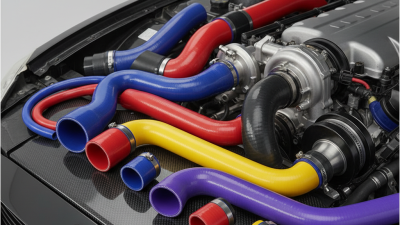
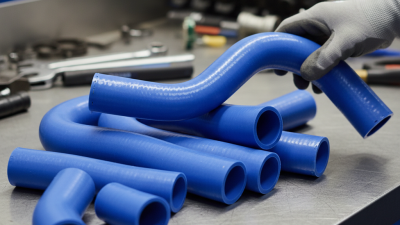
China Best Auto Silicone Hose for Global Buyers?
In recent years, the demand for high-quality Auto Silicone Hose has surged globally. Manufacturers in China have positioned themselves as key players in this dynamic market. China's unique mix of advanced technology and skilled labor makes it a hub for producing reliable silicone hoses.
Auto Silicone Hoses are crucial components in various automotive applications. They ensure optimal performance and durability in vehicles. However, not all silicone hoses are created equal. Buyers must navigate the complexities of quality, specifications, and costs. Moreover, Chinese manufacturers often face challenges related to compliance standards and quality assurance. This emphasizes the need for buyers to conduct thorough research.
Many global buyers seek Chinese suppliers for their competitive pricing and innovative designs. Yet, this journey is not without hurdles. Understanding the nuances of the market is essential for making informed decisions. The evolving landscape calls for a careful approach, balancing cost and quality without compromising reliability.
China's Leading Manufacturers of Auto Silicone Hoses
China has stepped up as a global leader in manufacturing auto silicone hoses. These hoses are essential for various automotive applications, providing durability and flexibility. According to a recent industry report, the global silicone hose market is expected to reach $1.2 billion by 2026, growing at a CAGR of 5.2%. This growth is driven by the increasing demand for high-performance materials in the automotive industry.
Leading manufacturers in China have invested heavily in technology and materials. They are producing hoses that withstand high temperatures and pressures, ideal for modern vehicles. However, not all manufacturers meet the same standards. Quality control is crucial, and buyers must be diligent in their research. Reports indicate that nearly 30% of silicone hoses do not meet regulatory specifications due to poor manufacturing practices.
For buyers looking to source silicone hoses from China, consider these factors: always request certifications and test reports. Evaluate suppliers based on their production capabilities and customer feedback. It is beneficial to visit manufacturing sites if possible. This firsthand observation can help gauge quality rather than relying solely on company claims.
Key Benefits of Using Silicone Hoses in Automotive Applications
The trend toward silicone hoses in automotive applications shows significant growth. According to a recent industry report, the global market for silicone automotive parts is expected to reach $2 billion by 2025. This rapid expansion highlights their importance in vehicle performance and reliability.
One of the key benefits of silicone hoses is their temperature resistance. They can withstand temperatures from -60°C to 200°C, making them ideal for various automotive environments. Traditional rubber hoses degrade over time, especially under high heat. Silicone offers better longevity and reduced chances of failure. Furthermore, silicone hoses are lightweight, contributing to improved fuel efficiency.
Data from automotive studies indicate that vehicles using silicone hoses exhibit a reduction in engine heat losses by up to 15%. However, it's important to consider installation challenges. Improper fitting can lead to leaks. Regular inspection is necessary to ensure optimal performance. While silicone hoses present undeniable advantages, users must stay vigilant for potential installation errors that could compromise their effectiveness.
Comparative Analysis: Silicone Hoses vs. Traditional Rubber Hoses
Silicone hoses have gained popularity in various industries due to their significant advantages over traditional rubber hoses. A study by the International Rubber Study Group estimates that silicone hoses have a lifespan that is two to three times longer than rubber hoses. This durability leads to reduced replacement costs and lower long-term maintenance.
One key area where silicone hoses excel is temperature resistance. Silicone can endure extreme temperatures ranging from -50°C to 260°C, making them suitable for high-performance automotive applications. In contrast, standard rubber typically fails beyond 85°C. Additionally, silicone hoses are more resistant to environmental factors like UV rays and ozone, affecting their longevity and reliability.
However, some challenges exist. Silicone hoses, while durable, can be more expensive upfront compared to rubber. This initial cost can deter small manufacturers. The installation of silicone hoses may also require specific fittings, which can complicate retrofitting. Understanding these trade-offs is essential for businesses considering a shift from traditional materials to silicone alternatives in their operations.
Global Demand Trends for China's Auto Silicone Hose Products
China's auto silicone hose products are seeing an increase in global demand. This change reflects growing automotive markets across various countries. Manufacturers are focusing on improving quality to meet international standards. The market shifts indicate a need for reliable and durable components in vehicles. As more countries transition to electric vehicles, the demand for silicone hoses is likely to rise. These hoses are essential for engines, ensuring effective performance and longevity.
It's crucial to keep an eye on trends in materials. Many manufacturers are investing in high-temperature resistant silicone. This development addresses concerns about performance in extreme conditions. Buyers should prioritize suppliers who emphasize rigorous testing. Quality control processes help ensure that the hoses meet both safety and efficiency standards.
Regular maintenance is key to ensuring that silicone hoses perform optimally. Over time, exposure to heat and chemicals can degrade these components. Buyers may find value in sourcing hoses that come with warranties. A reliable product can save costs in the long run. It's wise to research multiple suppliers before making decisions. Consider the potential long-term benefits versus initial costs.
China's Auto Silicone Hose Global Demand Trends
Quality Standards and Certification for Silicone Hoses Exported from China
When considering silicone hoses exported from China, understanding quality standards is crucial. The global market demands high-quality products that meet specific regulatory requirements. According to industry reports, nearly 70% of buyers prioritize certification when sourcing silicone hoses. This reflects a growing trend towards transparency and reliability in manufacturing processes.
European and American standards, such as ISO 9001 and FDA certification, are becoming benchmarks for quality. These certifications indicate that manufacturers adhere to strict controls. However, not all manufacturers in China have obtained these certifications. This discrepancy can lead to quality variations, which buyers need to be aware of. A report from the Silicone Industry Association noted that around 30% of silicone hose suppliers lack proper certifications, raising concerns about product integrity.
It's also relevant to consider the raw materials used in production. High-grade silicone offers better resistance to temperature and chemical exposure. However, some manufacturers might use subpar materials to cut costs. This can compromise the performance of the hoses. As a buyer, thorough due diligence is necessary. Assessing both the certification and material quality can mitigate risks and ensure a reliable supply chain.