Top 10 Benefits of Using Silicone Straight Hose for Your Projects?
Silicone Straight Hose is increasingly recognized for its versatility and durability across various industries. According to a recent industry report by TechNavio, the silicone hose market is expected to grow at a CAGR of 5.6% through 2025. This growth is driven by the rising demand for high-performance materials in automotive and industrial applications.
Expert David Thompson, a leading figures in the silicone materials field, states, "Silicone Straight Hoses offer unmatched resilience against heat and chemicals." This reinforces the potential these hoses hold for projects requiring reliable and efficient solutions. Their ability to maintain structural integrity under extreme conditions sets them apart from alternative materials.
However, not every application may require silicone. It is essential to assess project needs carefully. While silicone hoses are remarkable, they may not be the best choice for every scenario. Considering factors such as cost and specific application requirements can lead to more informed decisions. Users must reflect on the unique benefits that Silicone Straight Hoses can provide.
Benefits of Silicone Straight Hose for Fluid Transfer Applications
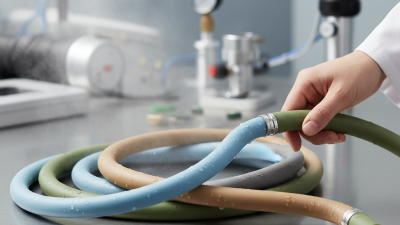
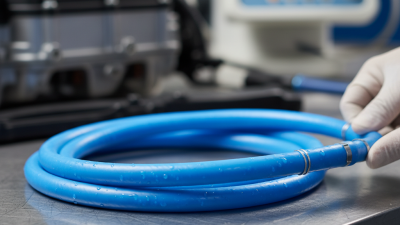
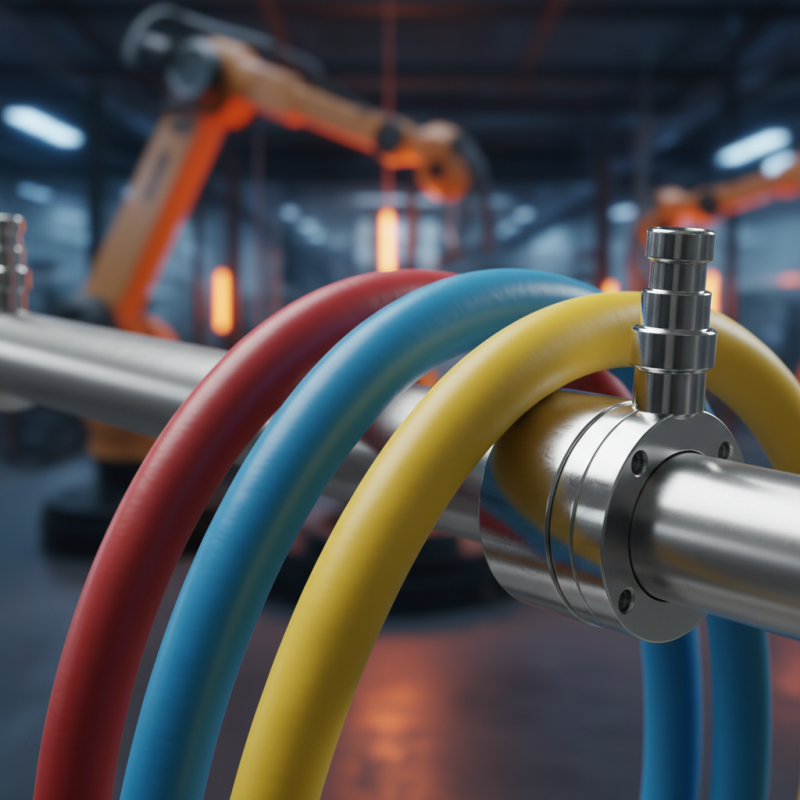
Silicone straight hoses are an excellent choice for fluid transfer applications. They endure extreme temperatures, making them suitable for various environments. These hoses resist chemicals, which helps maintain fluid integrity. Their flexibility allows for easy installation in tight spaces. When working on complex projects, this adaptability can save time and effort.
Another notable benefit is durability. Silicone hoses resist wear and tear over time. Unlike other materials, they do not degrade easily. This longevity reduces the need for frequent replacements. However, it's essential to consider the specific application requirements. Not all projects may require the unique properties of silicone. Conducting thorough research helps ensure the right choice.
Silicone hoses also offer excellent flow characteristics. Fluid moves smoothly, minimizing disruptions in the process. This efficiency is crucial for various industries. However, one must reflect on potential limitations. For example, silicone may not be suitable for high-pressure applications. Understanding these nuances is vital for achieving the best results.
Top 10 Benefits of Using Silicone Straight Hose for Your Projects
Enhanced Durability and Longevity of Silicone Hose in Harsh Environments
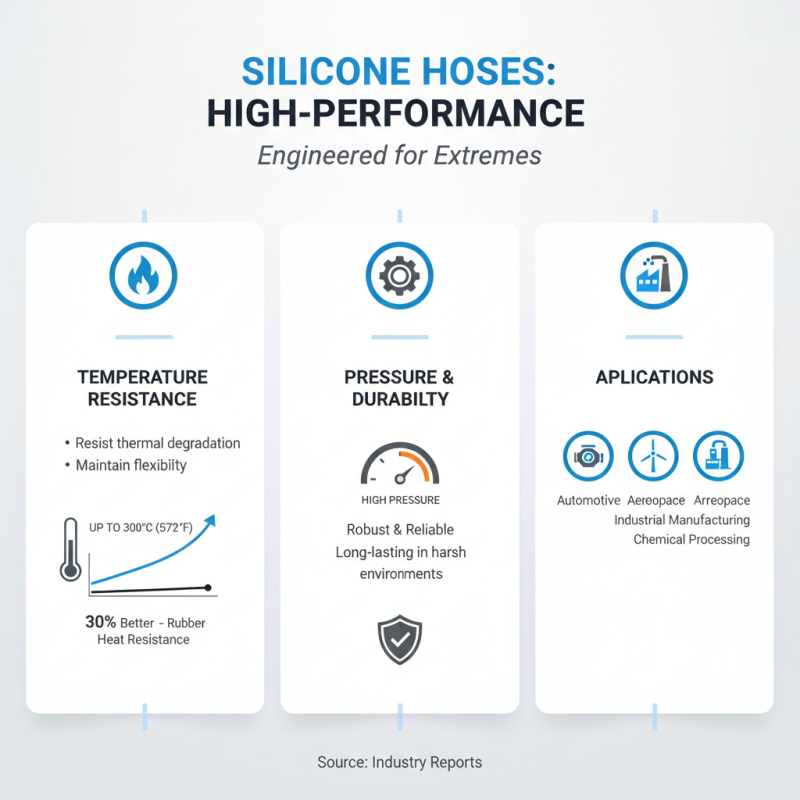
Silicone hoses are gaining popularity due to their enhanced durability in harsh environments. Unlike traditional rubber hoses, silicone withstands extreme temperatures, ranging from -50°C to +200°C. This makes it ideal for various industries, including automotive and aerospace. According to a report by the International Journal of Polymer Science, silicone hoses can last up to four times longer than their rubber counterparts under similar conditions.
Moreover, silicone hoses exhibit high resistance to UV rays and ozone. This characteristic prevents cracking and degradation. A study by the Society of Automotive Engineers noted that silicone hoses maintained their integrity after exposure to these elements for extended periods. Such resilience is crucial for applications in intense conditions, where failures can lead to costly downtime.
However, it is vital to recognize that silicone hoses may not be the best option for every project. They can be more expensive upfront, which may require careful cost-benefit analysis.
When considering silicone hoses, one should also be aware of compatibility issues. Despite their advantages, certain chemical exposures can lead to performance degradation. Therefore, conducting thorough research before selecting silicone hoses for a specific application is essential. This ensures that they meet the project's unique demands while leveraging their strengths in durability and longevity.
Chemical Compatibility of Silicone Hose: A Key Advantage in Projects
Silicone hoses are widely recognized for their outstanding chemical compatibility. This feature is crucial for various projects, especially those involving aggressive substances. The elasticity and flexibility of silicone allow it to handle a diverse range of chemicals without degrading. This means that industries can rely on silicone hoses for safe transport of fuels, oils, and other fluids.
However, it’s important to note that not all silicone hoses are equal. Their performance may vary based on the specific formulation and environment. For instance, overexposure to extreme temperatures may lead to reduced lifespan. Regular monitoring is essential to ensure safety. It’s vital to evaluate the compatibility of your specific application with the hose material.
While silicone has many advantages, some imperfections exist. Its high temperature resistance might not suffice for all situations. Some users may find it more expensive than alternatives. Yet, in many projects, the benefits of durability and flexibility outweigh these concerns. Understanding these nuances helps in selecting the right silicone hose for your needs.
Easy Installation and Maintenance Features of Silicone Straight Hose
Silicone straight hoses are gaining popularity in various industries. Their easy installation makes them a preferred choice for many projects. With a lightweight design, they are often simpler to maneuver than metal alternatives. Reports indicate that nearly 30% of project delays stem from complex installation procedures. Silicone hoses minimize this risk.
Maintenance is another area where silicone straight hoses excel. Their smooth surface prevents buildup. This factor makes cleaning easier and reduces downtime. A study found that proper maintenance can extend the lifespan of hoses by up to 50%. While silicone hoses can be more expensive initially, their durability offers long-term savings. However, some users find their heat resistance lower than expected. This is worth considering.
Another notable feature is their flexibility. Unlike rigid materials, silicone hoses can bend without causing damage. This adaptability proves crucial in tight spaces or intricate systems. Yet, some applications may still benefit from firmer hose options. Users should weigh project needs carefully. Every factor counts when selecting the right hose for your project’s specific requirements.