Top 10 Benefits of Rubber Hose Heat Resistance for Industrial Applications?
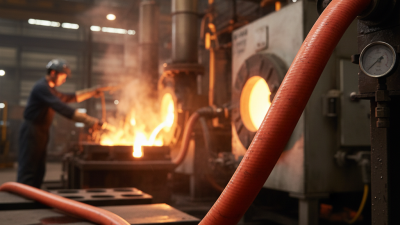
In today's industrial landscape, the demand for high-performance materials is ever-increasing. One critical aspect is the "Rubber Hose Heat Resistance," which plays a vital role in various applications. According to a report by Market Research Future, the industrial rubber market is expected to grow significantly, reaching a valuation of over $50 billion by 2025. This growth highlights the importance of durable tools like rubber hoses in sectors such as manufacturing, automotive, and construction.
Rubber hoses are essential for transporting fluids under high temperatures. Their heat resistance allows for safe and efficient operation, reducing the risk of equipment failure. However, many industries often overlook the significance of selecting the right rubber material, which can lead to undesired outcomes. The right choice can boost safety, efficiency, and longevity. A recent survey noted that about 30% of industrial accidents are linked to improper equipment use, often related to material failures.
While innovative rubber formulations have improved heat resistance, challenges remain. Not all rubbers behave the same way under thermal stress. Understanding these nuances is crucial for engineers and buyers alike. As the industrial landscape evolves, the need for reliable and heat-resistant rubber hoses will continue to grow. It’s vital to prioritize quality in manufacturing to meet this demand.
Benefits of Enhanced Durability in High-Temperature Environments
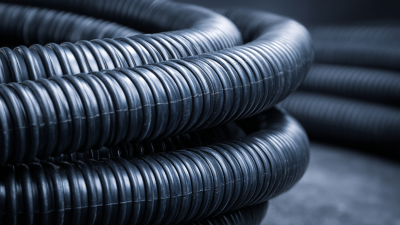
Rubber hoses play a vital role in industrial applications, especially in high-temperature environments. These hoses withstand extreme heat, preventing breakdown and failures. Enhanced durability ensures the safety of operations, reducing the risk of accidents. In many manufacturing sectors, the performance of rubber hoses directly impacts productivity. A reliable hose can mean the difference between smooth operations and costly downtime.
High-temperature resistance is crucial for processes involving steam or chemical transport. Rubber hoses maintain flexibility, even under stress. Some materials lose their integrity and become hard under heat. This can lead to leaks or bursts. The quality of rubber used in hoses dictates their lifespan. Selecting the right rubber can yield significant savings on repairs and replacements.
The continual use of rubber hoses reveals areas for improvement. Industry standards evolve, prompting re-evaluations of material choices. Regular inspections help identify wear and potential failure points. It is important to acknowledge that not all rubber hoses perform the same under heat. Understanding these variances can guide better decision-making in hose selection. Careful consideration helps maximize durability in challenging environments.
Improved Safety Standards Through Heat-Resistant Rubber Hoses
Heat-resistant rubber hoses play a crucial role in enhancing safety standards across various industrial settings. These hoses are engineered to withstand extreme temperatures, reducing the risk of failure in high-heat applications. Workers can operate equipment reliably without the fear of hose damage, which can lead to hazardous situations. When hoses can endure high temperatures, the likelihood of leaks or burst hoses decreases significantly.
Moreover, heat-resistant rubber hoses contribute to accident prevention by providing a safe transport system for hot materials. Industries such as manufacturing and chemical processing heavily rely on this technology. Each hose is designed meticulously, ensuring that even under intense pressure, they maintain structural integrity. However, not all hoses are created equal. Some may fail unexpectedly due to poor quality or lack of maintenance. It's essential to regularly inspect and replace hoses to ensure they remain effective.
Adopting heat-resistant hoses reflects a company's commitment to workplace safety. Employees feel more secure knowing that their tools can handle the demands of their jobs. While these hoses offer many benefits, a proactive safety culture must accompany their use. Awareness training on hose integrity and the potential risks of neglecting equipment plays a vital role in safety standards. This combination cultivates an environment where safety is prioritized, ultimately benefiting both workers and the organization.
Top 10 Benefits of Rubber Hose Heat Resistance for Industrial Applications
| Benefit |
Description |
Impact on Safety |
| High Temperature Tolerance |
Rubber hoses can withstand high temperatures without degrading. |
Reduces the risk of hose failure in high heat environments. |
| Chemical Resistance |
Ability to resist various chemicals that can be present in industrial settings. |
Lowers the chance of leaks and chemical exposure. |
| Flexibility |
Rubber hoses maintain flexibility at high temperatures. |
Increases ease of handling and reduces stress on connections. |
| Durability |
Long-lasting materials that resist wear and tear. |
Minimizes the need for frequent replacements, enhancing operational safety. |
| Reduced Risk of Melting |
Heat-resistant properties prevent hoses from melting during use. |
Enhances employee safety by preventing accidents. |
| Better Performance |
Improved efficiency in high-temperature applications. |
Promotes safer and more reliable operations. |
| Versatility |
Applicable in various industries including automotive and manufacturing. |
Provides safe solutions across multiple sectors. |
| Cost-Effective |
Long service life reduces replacement costs. |
Saves resources and enhances operational safety. |
| Temperature Monitoring |
Some hoses are designed to be compatible with temperature monitoring devices. |
Allows real-time tracking of hose performance and safety. |
| Regulatory Compliance |
Many rubber hoses meet industry safety standards. |
Ensures adherence to safety regulations, enhancing workplace safety. |
Cost-Effectiveness in Long-Term Industrial Applications
Rubber hoses designed for heat resistance offer significant cost-effectiveness in long-term industrial applications. Research from industry reports indicates that these hoses can last up to 50% longer than traditional materials under high-temperature conditions. This durability translates to lower replacement costs over time, making them a viable investment.
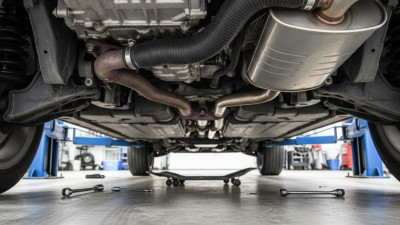
In industries like automotive and manufacturing, heat-resistant rubber hoses maintain their integrity even when exposed to extreme temperatures. They help reduce equipment downtimes, which is crucial. A study revealed that equipment failures due to overheating account for nearly 30% of production losses in factories. By utilizing heat-resistant hoses, industries can minimize these risks and enhance productivity.
Despite their high initial costs, the long-term savings can be substantial. The reliability of these hoses facilitates smoother operations. However, it's essential for businesses to evaluate their specific needs. Not every application requires the highest grade hoses. Assessing the operational demands can help avoid unnecessary expenditures, ensuring a more targeted investment in hose technology.
Versatility Across Different Industrial Sectors and Processes
Rubber hoses are increasingly recognized for their heat resistance in various industrial sectors. This versatility allows them to perform under extreme conditions, from automotive to chemical processing applications. According to a report by the Rubber Manufacturers Association, heat-resistant rubber hoses can maintain integrity at temperatures exceeding 200°C. This capability is essential for industries where processes involve steam or high-temperature fluids.
The adaptability of rubber hoses is evident in sectors like food and beverage, pharmaceuticals, and construction. Their ability to handle both pressure and temperature fluctuations ensures that they remain reliable. For instance, the food industry often requires hoses that can withstand hot water cleaning. This necessity highlights the importance of using the right materials. When evaluating rubber hoses, consider factors like durometer and tensile strength.
**Tips:** Ensure proper storage of rubber hoses to prolong their life. Avoid exposure to direct sunlight. Inspect hoses regularly for wear and tear. Sometimes, companies overlook minor damage, which can lead to significant downtime. Always prioritize the correct hose type for specific applications.
Top 10 Benefits of Rubber Hose Heat Resistance for Industrial Applications
Reduction of Downtime and Maintenance Costs in Operations
Rubber hoses are vital for industries that rely on heat resistance. Their ability to endure high temperatures reduces wear and tear. This directly influences maintenance costs. According to a recent industry report, improper hose selection can increase operational costs by up to 25%. The right rubber hose can mitigate these risks.
Downtime impacts productivity significantly. In fact, companies lose an average of $2 million each year due to unplanned shutdowns. By investing in quality heat-resistant hoses, facilities can minimize these interruptions. Regular inspections and maintenance can leverage the durability of these hoses. However, many still overlook the importance of proper care, leading to performance challenges.
Choosing rubber hoses with superior heat resistance lowers repair expenses. Studies indicate that businesses can reduce maintenance costs by up to 30% with suitable materials. However, not all hoses are created equal. Continuous evaluation of hose integrity is necessary. Every facility should consider the long-term implications of their materials. This reflection can guide improved efficiency in operations.